Clay vs Stainless Steel Chimney Liners
The question of clay vs stainless steel chimney liners comes up every time a Portland homeowner learns their liner is cracked. The old one is almost always clay tile — it was fitted when the house was built, decades ago. The replacement on offer is almost always stainless steel. So the real question is not which material is better in general. It is which one suits your chimney, your fuel, and the condition of the flue you already have.
Key Takeaways
- Clay tile is the original liner in most older Portland chimneys. It handles heat well and insulates brilliantly, but it cracks from thermal shock and freeze-thaw, and it cannot be patched in place.
- Stainless steel is the usual choice for relining: a flexible tube dropped down the existing flue, or rigid sections for a straight flue. It suits wood, gas, and oil when the grade matches the fuel.
- Clay vs stainless steel chimney liners is not a contest with one winner. A sound clay liner in an open fireplace can stay. A cracked one usually means relining with steel.
- Sizing matters as much as material. A liner that is too big runs cold and builds creosote; one that is too small cannot vent the appliance.
- Insulation matters for steel. A bare steel liner can cool too fast at the top, condense moisture, and corrode — an insulated liner avoids that.
- The scope of any relining is assessed on inspection. There is no fixed price for it.
In This Post
- The Short Answer
- Clay Tile Liners
- Stainless Steel Liners
- Side by Side
- Which One Fits Your Chimney?
- When Clay Fails
- Frequently Asked Questions
The Short Answer
A chimney liner is the tube or layer inside the flue that contains heat, smoke, and combustion gases and carries them safely out of the house. Clay tile and stainless steel are the two materials you will meet most often, and they fail in completely different ways.
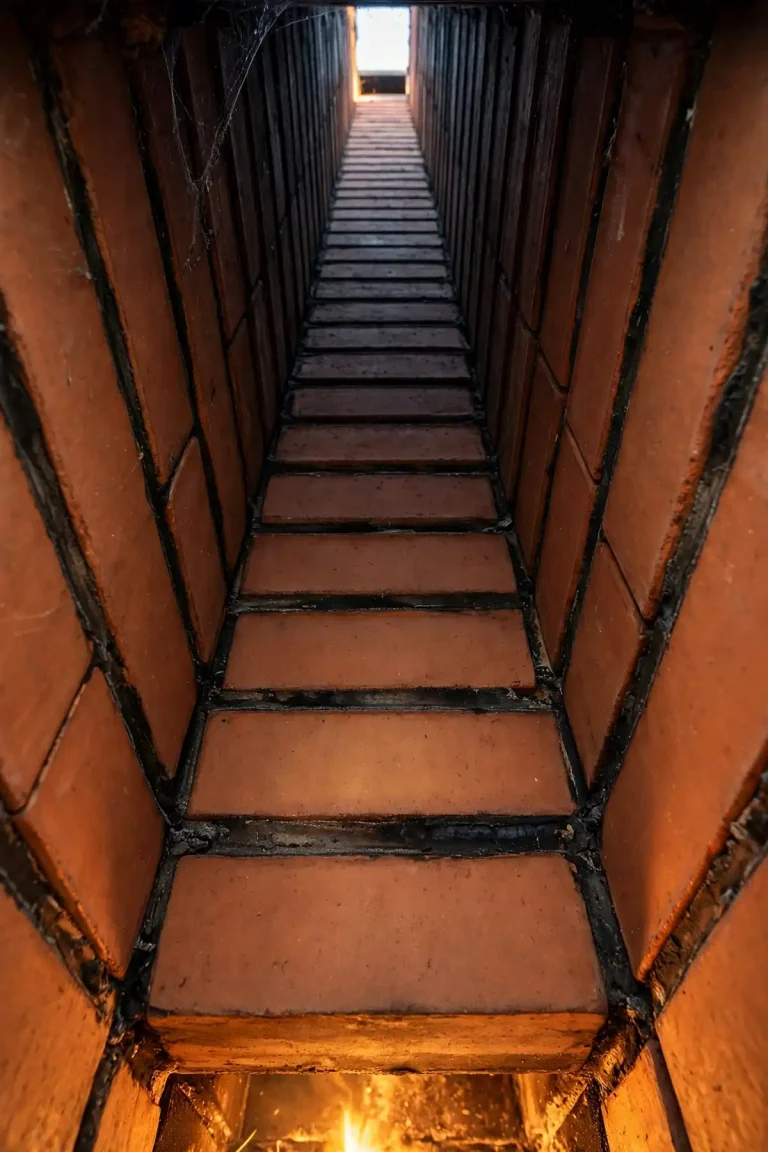
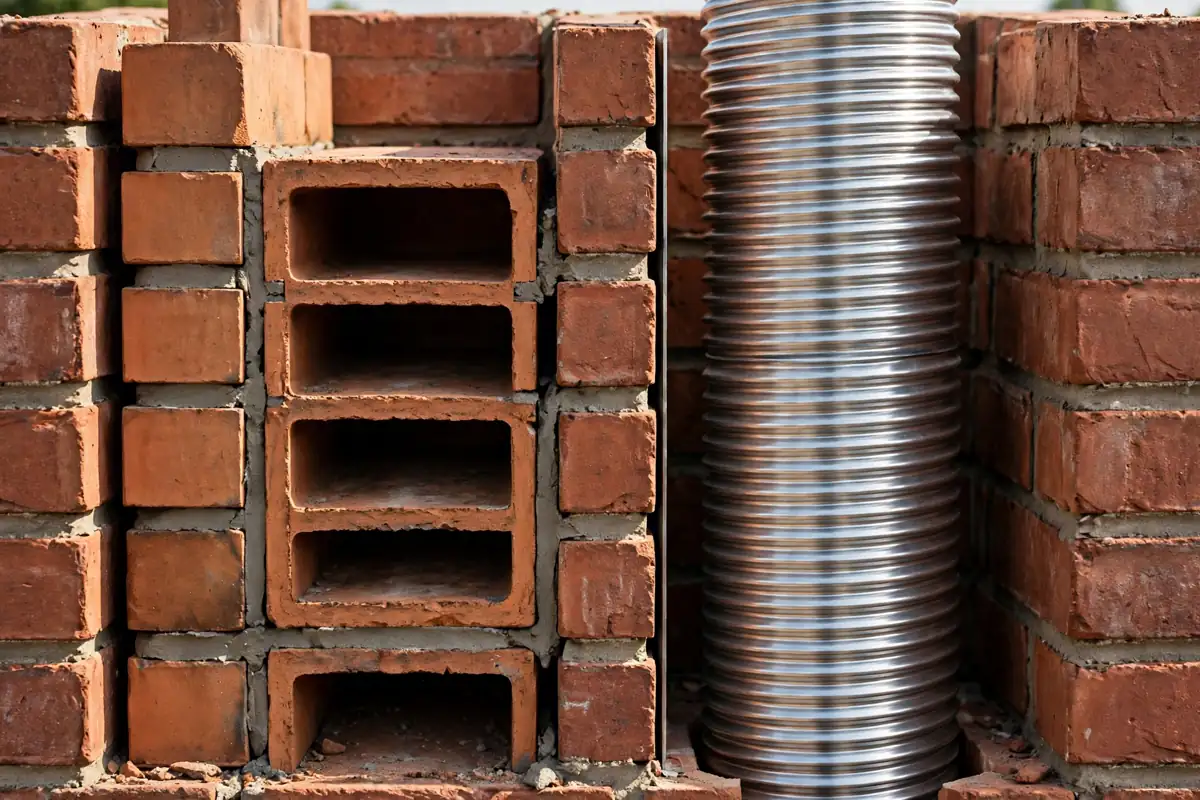
Clay tile is a ceramic: rectangular sections stacked with mortar inside the flue when the chimney was built. It is cheap, it takes very high temperatures without warping, and it insulates well — the flue stays hot, which helps the chimney draw. Its weakness is brittleness. A chimney fire, a hard freeze, or decades of settling can crack a tile, and once a tile cracks it cannot be patched in place. The mortar joints between tiles crumble too, opening gaps that let gases escape into the brick.
Stainless steel is a metal tube, flexible or rigid, dropped down the existing flue from the top. It does not crack the way clay does, it resists corrosion, and its smooth surface builds up less creosote. Its weakness is that it needs to be the right grade for the fuel, the right size for the appliance, and properly insulated — a bare steel liner can cool too quickly at the top of the chimney, condense moisture, and corrode from the inside.
If your clay liner is sound, there is usually no reason to replace it. If it is cracked, shifted, or missing tiles, relining with stainless steel is the usual answer — not because steel is better in every way, but because it is the practical way to put a new, seamless lining inside an old flue without taking the chimney apart.
Clay Tile Liners
Clay tile is what you will find in most of Portland’s older brick chimneys. It was the standard when those houses were built, and it does its job well for a long time — typically 30–50 years when it stays dry and undamaged.
Its strengths are real. Clay handles high temperatures without warping or degrading, it does not rust or corrode, and it insulates: a clay-lined flue holds its heat, which keeps gases moving and the chimney drawing properly. The material itself is inexpensive, which is why it was the default for new masonry builds for generations.
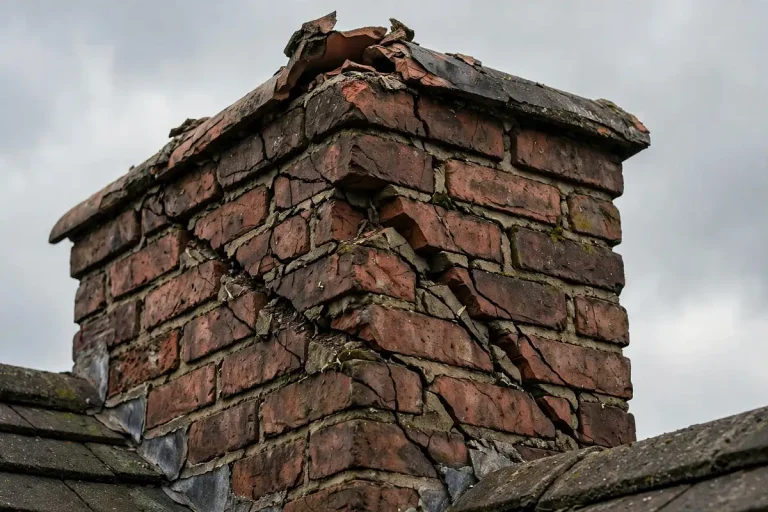
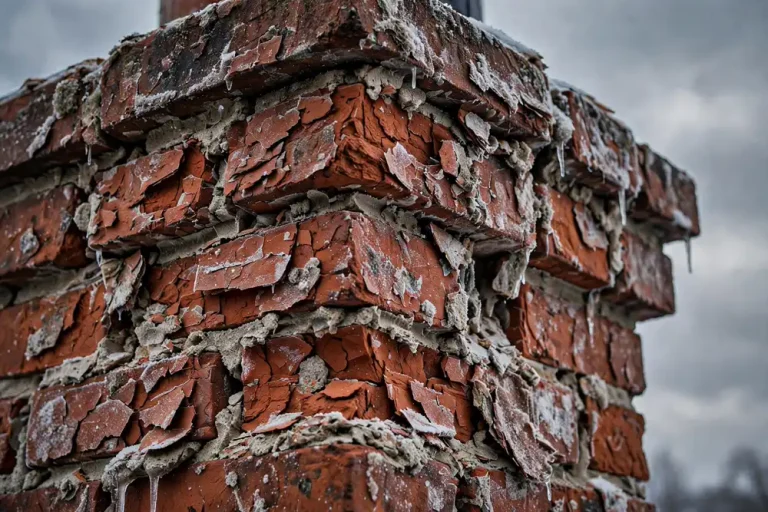
Its weaknesses are the joints and the brittleness. The tiles are fitted section by section, so the lining is only as good as the mortar between them. When that mortar crumbles, gaps open and combustion gases escape into the masonry. And clay does not bend: a chimney fire can crack tiles in one event, and Portland’s freeze-thaw does the same job slowly. Water gets into the flue — often through a missing cap — soaks the lining, and then freezes. Ice expands by about 9%, prying at every small crack it finds. Over enough winters, tiles crack, shift, and drop fragments into the firebox.
That is also why clay is hard to repair. A cracked tile cannot be sealed in place the way a metal joint can. Replacing tiles means opening the chimney wall to reach them, which is why a damaged clay liner usually leads to relining rather than repair. Clay also suits open fireplaces better than modern appliances: a high-efficiency stove or insert burns cooler, and a cool flue with a porous clay lining is more prone to condensation and tar deposits.
Stainless Steel Liners
Stainless steel is the workhorse of relining, and it comes in two forms. Flexible stainless steel is a corrugated tube dropped down the existing flue from the top, bending around offsets a rigid liner cannot follow. Rigid stainless steel comes in straight sections with a smoother bore, which makes sweeping easier, and it is often the choice for a straight flue or a larger open fire.
Its strengths are durability and versatility. Steel does not crack from thermal shock, it resists corrosion, and it creates a continuous, seamless passage with no mortar joints to leak. It suits wood, gas, and oil appliances when the grade is matched to the fuel: 316 is the common grade for wood and gas, and 904 is the tougher option for heavier use. A related distinction is 316L versus 304L — 316L resists the acidic compounds in creosote better, so it is the usual pick for wood-burning appliances, while 304L is often sufficient for gas or oil.
Steel has two things to get right. The first is the grade: a lower-grade steel matched to the wrong fuel will corrode, and the liner will fail years early. The second is insulation. A bare steel liner can cool too quickly, especially at the top of the chimney where it meets cold air. When flue gases cool, they condense — moisture and acids collect on the metal, and corrosion follows. An insulated liner keeps the gases hot all the way up, which improves the draft and protects the steel. It costs more up front, but it is what makes a steel liner last.
Steel liners also carry a listing that matters: a UL 1777 listing is the safety standard a liner is tested against for use in a masonry chimney, confirming it will contain heat and combustion gas the way it should. A liner without a listing for your appliance and fuel is not a bargain — it is a risk.
Side by Side
| Clay tile | Stainless steel | |
|---|---|---|
| Best for | Sound existing chimneys, open fireplaces | Relining, appliance changes, most jobs |
| Lifespan | 30–50 years when undamaged | 30–50 years with the right grade |
| Heat | Excellent, insulates well | Excellent, but needs insulation to stay hot |
| Weakness | Cracks from fire or freeze-thaw; leaky joints | Wrong grade corrodes; bare liner condenses |
| Repair | Cannot be patched in place | New tube replaces the lining |
| Fuels | All, but poor for modern high-efficiency appliances | Wood, gas, and oil when grade matches fuel |
| Installation | Built with the chimney | Dropped down the flue from the top |
The table makes steel look like the winner, and for relining it usually is. But the table does not say a sound clay liner should be replaced. If the tiles are intact, the joints are tight, and the fireplace is an open fire used the way it always was, clay is doing its job — and replacing a working liner is money spent for nothing.
Which One Fits Your Chimney?
Start with what you have, not with what you would like to buy.
First, the appliance and the fuel. An open fireplace with a sound clay liner can keep it. A wood stove or insert, especially a modern high-efficiency one, usually wants stainless steel — the cooler flue gases need a smooth, correctly sized passage, and steel gives you that. Gas appliances are less demanding on temperature but still need a sound, correctly sized liner; 304L steel is often sufficient there.
Second, the shape of the flue. A straight flue takes a rigid steel liner, which sweeps easily. A flue with offsets or bends needs a flexible liner, which follows the shape. An irregular or structurally weak flue may suit a cast-in-place lining instead — a cement-like refractory mix pumped in around a former, setting into a seamless new lining.
Third, the condition of the existing liner. Sound clay stays. A single short crack in an otherwise solid clay liner can sometimes be sealed with a heat-resistant coating — but that is a repair, and it only works when the rest of the lining is solid. Multiple cracks, shifted tiles, large gaps, or severe spalling point to relining. And a liner that is the wrong size or the wrong material for the appliance is replaced for the same reason: patching cannot fix a mismatch.
Fourth, the size. A liner must match the appliance it serves. Too big, and the gases cool as they rise, condense on the walls, and leave creosote and tar behind. Too small, and the chimney cannot draw properly — smoke backs up into the room and fires burn poorly. A 6-inch diameter flue is the most common size for a wood stove, but the right size depends on the appliance, the fuel, and the height of the chimney, so it is a measurement for an inspection.
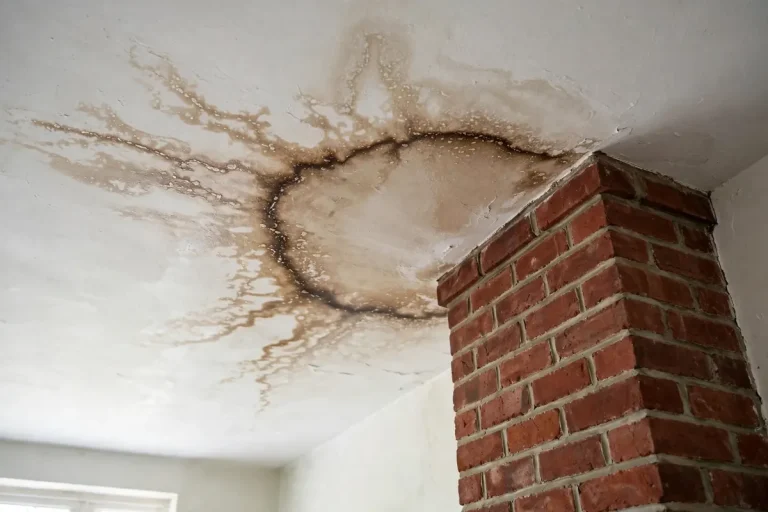
Finally, the water. A liner that stays wet fails early whatever it is made of. Water usually enters through a missing cap, which is why the cap and the liner are connected problems: a chimney cap that is missing lets months of rain run straight down the flue and soak the lining from the inside. If your chimney is leaking, fix the water first — our guide on why chimneys leak walks through the five entry points in order.
When Clay Fails
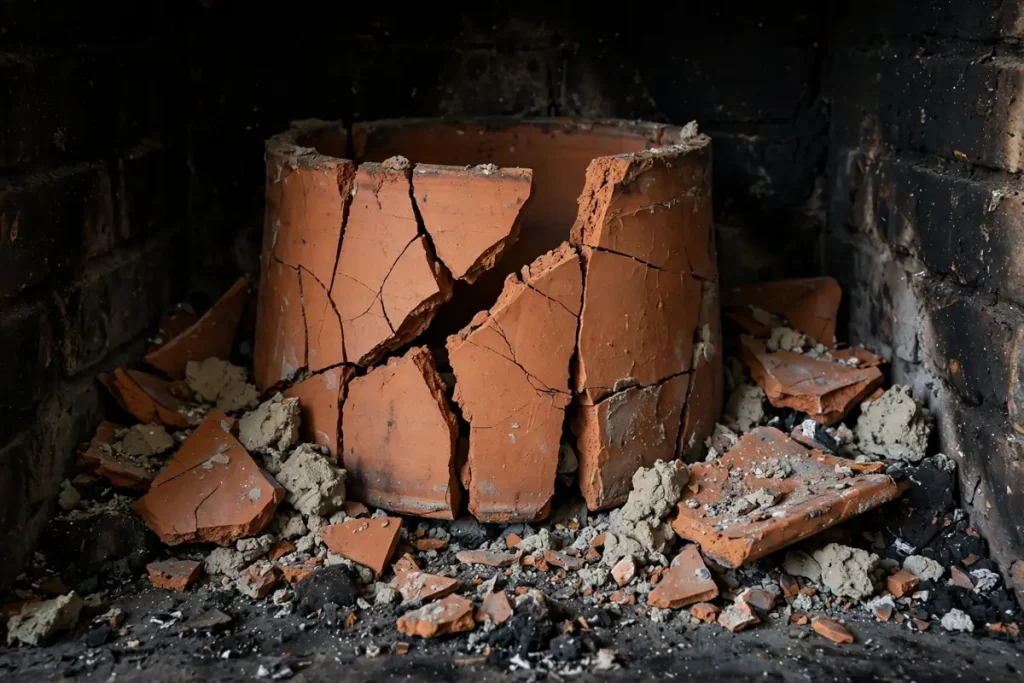
A clay liner rarely fails all at once. The warnings are the same ones from our liner guide: pieces of clay tile or mortar fragments in the firebox, smoke backing into the room, a persistent smoky smell when the fire is out, soot stains near the chimney breast, and white powdery staining on the outside brick. None of these proves the liner is the problem on its own — a camera inspection is the reliable check, because the liner itself is out of sight.
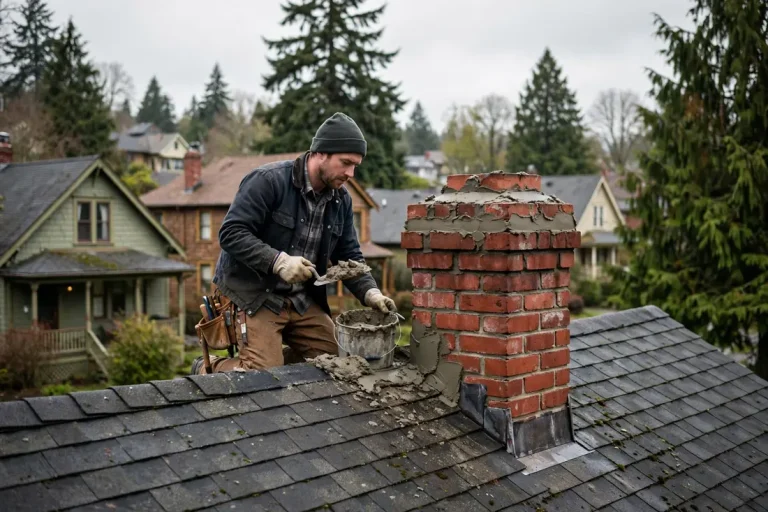
When the camera shows a cracked clay liner, the usual path is relining with a flexible stainless steel tube. The tube is dropped down the existing flue from the top, connected to the appliance at the bottom, and insulated. The old clay stays in place around it — there is no demolition, and the chimney keeps its structure. The result is a new, seamless venting system inside the old one, sized to the appliance and graded to the fuel.
Two things to know before any relining work begins. First, houses from the 1950s through the 1980s sometimes have asbestos insulating boards or wrapping around the flue. If asbestos is suspected, work stops and a specialist survey comes first. It is rare, but it is the reason a careful inspection matters before any relining work begins. Second, relining is not a job for a first attempt: the liner has to be sized, graded, insulated, and sealed correctly, and a mistake is hidden inside the chimney where nobody can see it. That is why the inspection comes first, and the work follows the findings.
After relining, the habits that protect a liner are the same ones that protect any chimney: burn dry, seasoned wood, and sweep regularly. An annual chimney cleaning (typically $150–$350, 45–90 minutes) removes the creosote and acidic deposits before they do damage, and spots the early signs of liner failure while they are still small jobs.
The Bottom Line
Clay and stainless steel are both good liner materials, and both last decades when they are right for the chimney. Clay wins on insulation and cost when it is sound and the fireplace is a traditional open fire. Steel wins on durability, flexibility, and fit for modern appliances — and it is the practical answer when clay has failed, because it goes in without taking the chimney apart. The choice is not about which material is better. It is about which one matches your appliance, your fuel, your flue, and the condition of the liner you already have.
If you have clay pieces in the firebox, smoke coming back into the room, or you simply do not know whether your chimney has a sound liner, call Portland Chimney Care at +1 (503) 433-7104. We serve Portland, OR, and we can tell you plainly whether it is the liner, the cap, or something else — and whether it needs a repair, a relining, or nothing at all.
FAQ
Sources
- Firesafe Chimney Services
- HomeGuide
- Chimney Services Pro
- Masterful Chimney Sweep
- DuctDuctCleaningUSA