How Long Does Chimney Repair Take? A Portland Homeowner’s Timeline Guide
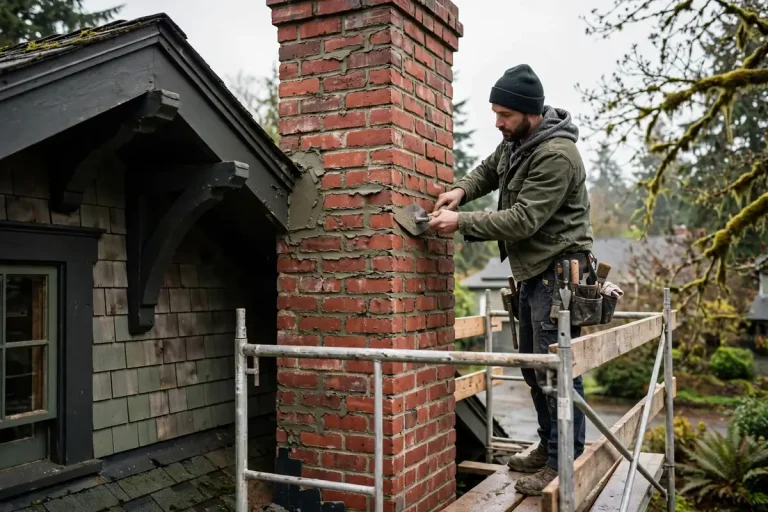
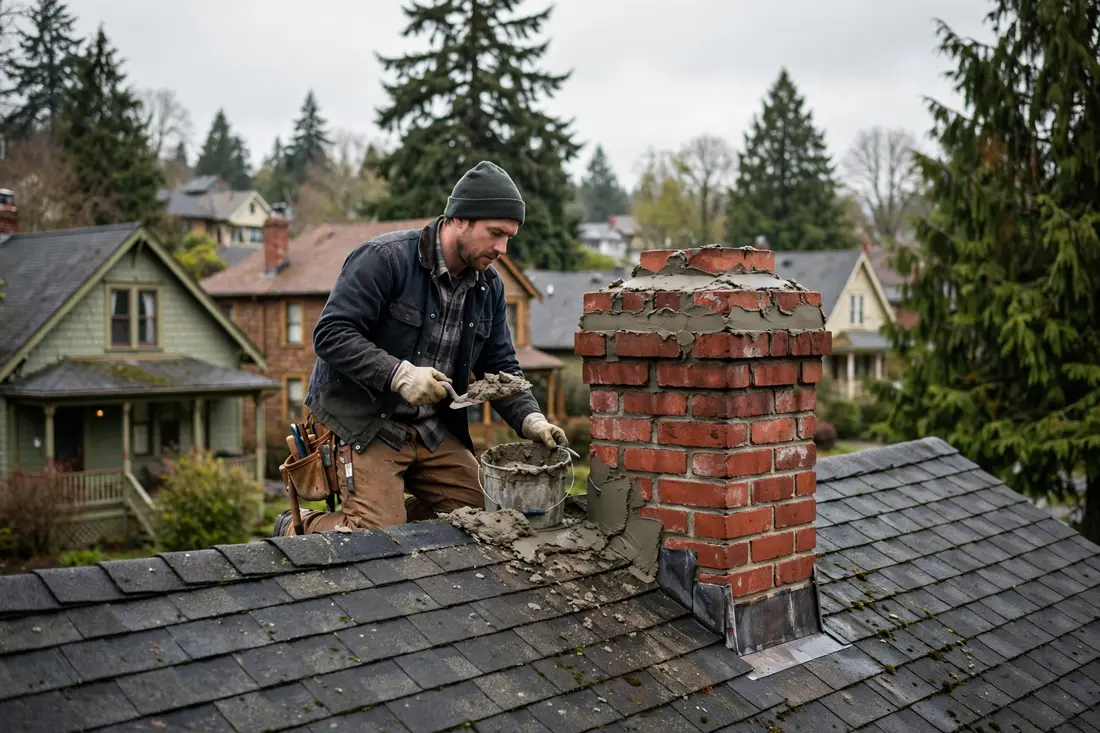
Most chimney repairs take anywhere from a few hours to two weeks or longer, depending on the job. Minor repairs, such as replacing a chimney cap or sealing a cracked crown, are often finished in a single visit. Larger projects, such as flue liner installation, tuckpointing, or a partial or full chimney rebuild, fall into a different category and can take several days to a couple of weeks. The exact schedule depends on the type of damage, the materials involved, how easy your roof is to reach, and, here in Portland, how cooperative the weather is.
Below you will find typical time ranges for each repair type, what happens before work begins, the factors that speed up or slow down a project, and practical ways to keep your repair on schedule.
How Long Does Chimney Repair Take? Timeline by Repair Type
The table below shows typical on site work times. These are general estimates, not confirmed quotes. Actual times vary with the extent of the damage, roof access, setup, and the scope of the repair.
| Repair type | Estimated work time |
|---|---|
| Chimney cap replacement | 30 to 60 minutes |
| Crown sealing | 1 to 3 hours |
| Full chimney crown rebuild | 1 to 2 days, depending on scope |
| Flashing repair or replacement | 2 to 5 hours |
| Brick replacement for spalling | 1 to 2 days |
| Tuckpointing (repointing mortar joints) | 1 to 3 days |
| Flue liner installation | 1 to 3 days |
| Partial chimney rebuild | 3 to 5 days |
| Full chimney rebuild | 1 to 2 weeks or longer |
Curing time, drying time, inspections, and rain delays can add to these estimates. Crown sealing and crown reconstruction are not the same job, so ask your contractor which one your chimney needs. Notice that the hands on work is often quick. The hidden time usually comes from scheduling, materials, and weather.
Work Time Is Not the Same as Booking Time
Homeowners often confuse two different timelines. The first is the time the crew spends working on your chimney. The second is the full span from your first phone call to the finished repair. That second timeline includes your inspection, a written estimate, your approval, ordering materials if needed, and finding an open date on the crew’s calendar. During busy seasons, the wait for a start date can be longer than the repair itself, so always ask for both numbers.
What Happens Before the Repair Even Starts
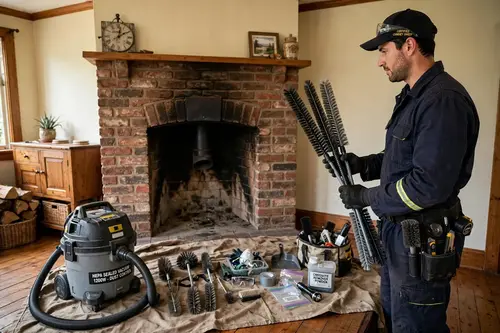
A good repair begins with an inspection. The Chimney Safety Institute of America (CSIA) and the NFPA 211 standard describe three inspection levels. A Level 1 inspection is a visual check of the accessible parts of the chimney and flue.
A Level 2 chimney inspection is more detailed than a basic visual inspection and includes examination of accessible areas, along with an internal flue examination using appropriate equipment. It may be required after certain events, changes to the heating system, or when applicable standards call for a more detailed assessment. A Level 3 inspection may involve removing parts of the structure when concealed hazards cannot otherwise be evaluated. Which level applies to your home depends on the standard being followed, your chimney’s history, and any local requirements.
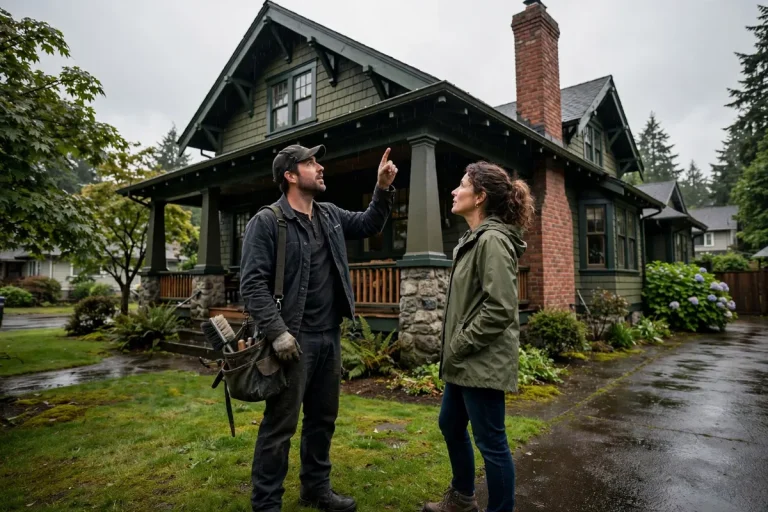
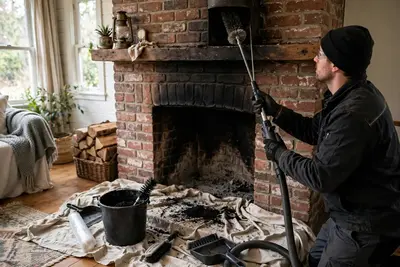
Most inspections take between 30 minutes and two hours. After that, a reputable company will give you a written estimate, photos of the damage, and a proposed schedule. When people ask how long does chimney repair take?, the real answer starts here, because a thorough inspection prevents surprises that add days later.
Factors That Make Chimney Repair Faster or Slower
The Extent of the Damage
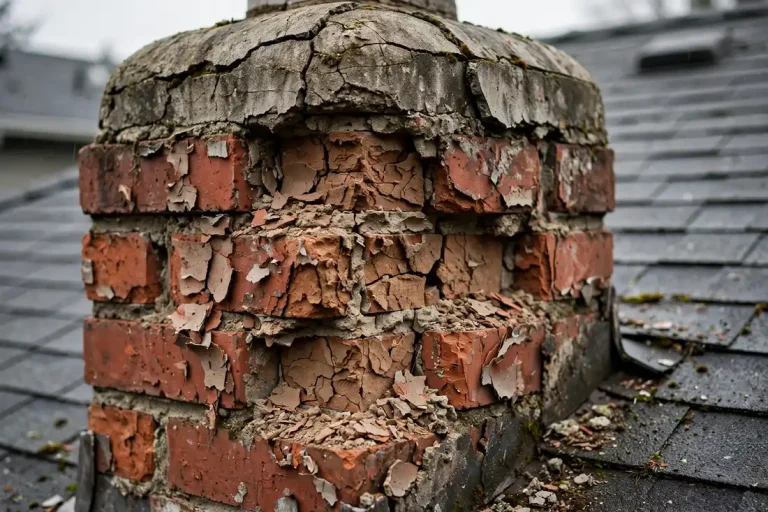
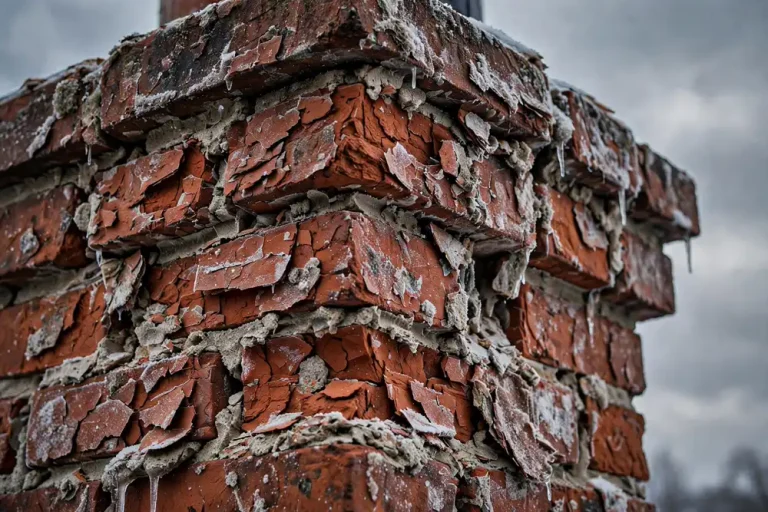
Hairline cracks in a crown are a quick patch. Deep cracks, a leaning stack, or widespread spalling bricks mean more demolition, more masonry work, and more cleanup. Structural issues always take longer than surface fixes.
The Chimney Material
Brick and mortar chimneys need time for fresh mortar to set. Prefabricated metal chimneys are usually quicker to repair because parts can be swapped rather than rebuilt. Stone chimneys sit in the middle, though matching the stone can slow things down.
Height and Roof Access
A short chimney on a low pitch roof is simple. A tall stack on a steep roof may require scaffolding, safety harnesses, and extra setup time. Setup alone can add half a day.
Material Availability
Standard caps, crowns, and liners are easy to source. Older Portland homes, especially those built in the early 1900s, may need reclaimed or custom matched brick, which can add several days or even weeks to the project.
Permits
Permit requirements depend on the scope of work and applicable local codes. Ask your contractor to confirm whether a permit is needed for your project, and check the City of Portland’s permitting guidance at portland.gov/ppd for current rules.
Why Portland Weather Changes the Schedule
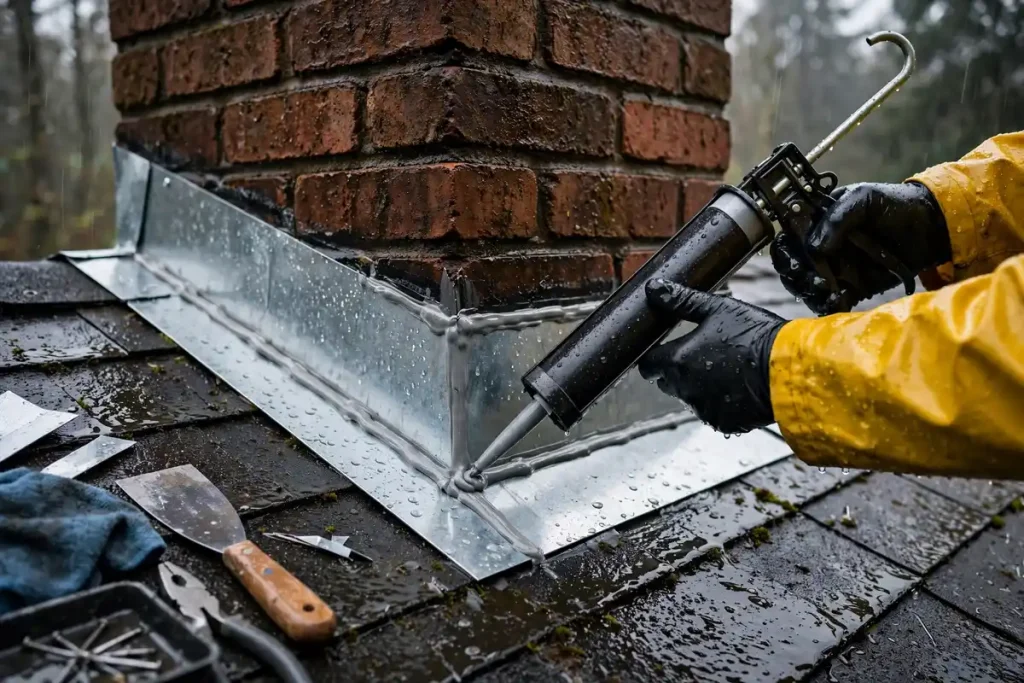
Portland’s wet climate plays a bigger role than most homeowners expect. Mortar and masonry sealants need suitable conditions to cure properly. Working on a wet roof is also a safety risk, and applying waterproofing to damp brick can trap moisture inside the masonry.
During Portland’s wetter months, exterior masonry repairs and waterproofing may need to wait for suitable weather and surface conditions. A job that takes one day in dry weather can take longer if rain interrupts the work or delays curing. Many local crews watch the Pacific Northwest forecast closely and schedule masonry work during dry windows. Late spring through early fall is generally the easiest time to book, though it can also be busy, so early booking helps.
Does Chimney Repair Take Longer in Winter in Portland?
Sometimes. Wet weather can delay exterior masonry repairs, sealant application, and safe roof access. That said, not every winter repair runs late. Interior work, cap replacement on a dry day, and many metal chimney repairs can proceed without trouble. The outcome depends on the repair type and the conditions on the scheduled day, so ask your contractor how they handle rain delays.
Can You Use Your Fireplace During Repairs?
Plan on skipping fires until the work is complete. Wait until the repair materials have cured as specified by the manufacturer and your chimney professional. Do not use the fireplace until the technician confirms it is safe. Mortar type, temperature, humidity, and the scope of the repair all affect how long that takes, and some flue liner installations require a final check before the first burn. Using a damaged or half repaired chimney risks carbon monoxide leaks, house fires, and further masonry cracking.
Ask your technician for a clear “safe to use” date in writing.
Tips to Keep Your Chimney Repair on Schedule
- Book before the cold season. If your chimney is due, schedule a chimney cleaning before the fall rush — fall is peak time for chimney work, and waitlists grow quickly once temperatures drop.
- Clear access. Move cars, patio furniture, and fragile items away from the work area. Clear a path to the fireplace indoors as well.
- Approve the estimate quickly. Delays in signing off can push you back in the schedule.
- Ask about contingency plans. A reliable contractor will explain what happens if rain interrupts the job.
- Fix small problems early. A cracked crown or loose flashing may be a half day fix now and a multi day rebuild after a few more wet winters.
Signs You Should Not Wait
Delaying repairs rarely saves time or money. Call a qualified chimney professional right away if you notice:
- Water stains on the ceiling or walls near the chimney
- White powdery residue (efflorescence) on the brick
- Rust on the damper or firebox
- Crumbling mortar or bricks falling apart
- A musty smell when the fireplace is not in use
- Smoke entering the room instead of rising up the flue
- Visible gaps between the chimney and the house
These warning signs can indicate moisture intrusion, deteriorating masonry, venting problems, or other chimney defects. A professional inspection can help identify the cause and determine whether the chimney is safe to use. If smoke is entering the room, stop using the fireplace until it has been inspected. For more on inspection standards, see the CSIA and NFPA websites. Those repair timelines assume the problem gets attention — ignoring chimney damage only lets it grow into a bigger, costlier job.
Frequently Asked Questions
Final Thoughts
So, how long does chimney repair take? For most Portland homes, expect anywhere from under an hour for a new cap to one or two weeks for a major rebuild, with many jobs landing somewhere between a few hours and three days. Inspection quality, weather, material availability, and the condition of your chimney all shape the final timeline.
The best way to get a precise answer is to schedule a professional inspection and ask for a written timeline with your estimate. A clear plan and an honest assessment keep the project safe, efficient, and free of unwelcome surprises.
If your chimney is showing warning signs, contact Portland Chimney Care to schedule an inspection and get a repair timeline and estimate tailored to your home. For costs, repair types and priorities, see the full chimney repair guide.
If you notice flaking or loose bricks while checking your chimney, our guide to single chimney brick replacement explains what kind of repair may be needed.