What Is a Chimney Liner?
The most important part of your chimney is the one you never see. Between the fire and the brick, running the full height of the chimney, there is a tube — and that tube is what keeps the heat, the smoke, and the gases where they belong. When it fails, they reach the walls of your house instead.
Key Takeaways
- The liner is the tube inside the flue. It contains heat, smoke, and combustion gases and carries them safely out of the house.
- Without a sound liner, heat and carbon monoxide can reach the structure, creosote soaks into the brick, and a chimney fire has nothing containing it.
- Most older Portland chimneys have clay tile liners. Stainless steel is the usual choice for relining, and cast-in-place is the option for irregular flues.
- You cannot see your liner from the ground or the firebox. A camera inspection is the only reliable way to know its condition.
- Small, isolated cracks can sometimes be sealed. Widespread damage usually means relining, and the scope is assessed on inspection.
In This Post
- The Short Answer
- Clay Tile, Steel, or Cast in Place
- The Right Size Matters
- Signs Yours Is Failing
- Repair or Replace?
- Why Portland’s Climate Is Hard on Liners
- Frequently Asked Questions
The Short Answer
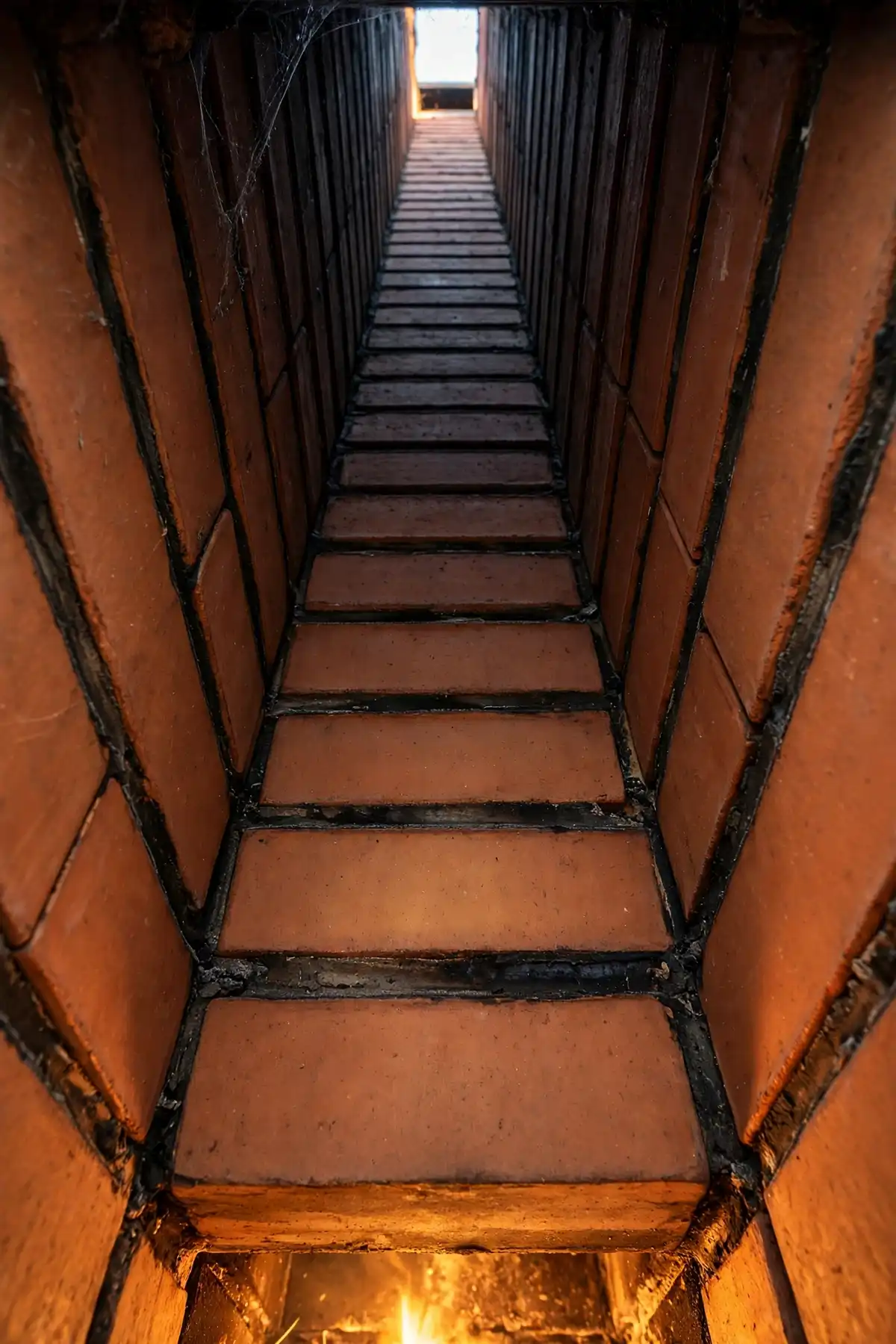
A chimney liner is a continuous tube or layer that runs the full length of the flue, from the fireplace or appliance at the bottom to the top of the chimney. It does three jobs. First, it contains the combustion gases — smoke, water vapour, tars, and carbon monoxide — and carries them safely out of the building. Second, it protects the masonry from the heat and the corrosive gases, which would otherwise eat into the brick and mortar from the inside. Third, it keeps the gases hot and moving so the chimney drafts properly: a smooth, correctly sized passage draws well, while a rough or oversized one lets gases cool, condense, and leave deposits behind.
Many older chimneys were built with clay tile liners, and some very old ones have no liner at all — just the inner face of the brick. That worked well enough for a big open fire with a strong, hot draught. Modern stoves and inserts burn cooler and more efficiently, which means cooler, slower-moving flue gases — and a cooler flue is far more prone to condensation, tar deposits, and poor draw without a sound liner.
Clay Tile, Steel, or Cast in Place
There is no single best liner. There is only the right liner for your chimney, your fuel, and your appliance.
| Type | Best for | Lifespan |
|---|---|---|
| Clay tile | Older masonry chimneys, open fireplaces | 30–50 years |
| Flexible stainless steel | Relining existing chimneys, wood stoves | 30–50 years |
| Rigid stainless steel | Straight flues, larger open fires | 30–50 years |
| Cast-in-place | Irregular or damaged flues | 25–40 years |
| Aluminium | Gas appliances only | Shorter |
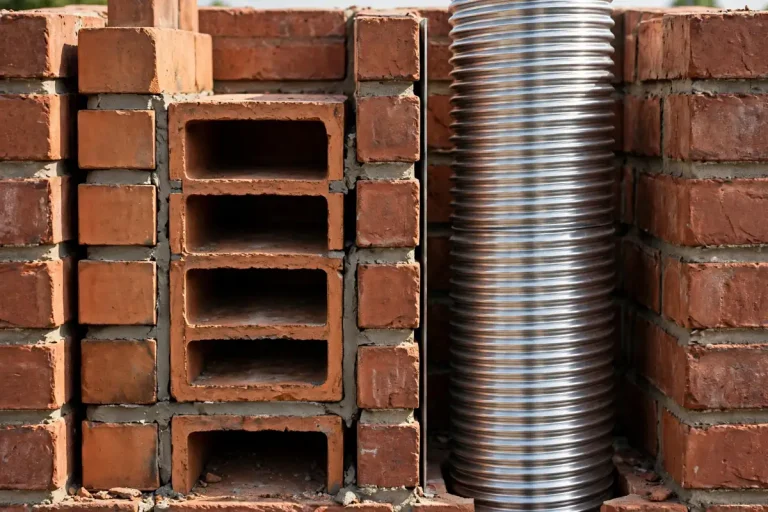
Clay tile is the traditional choice, and it is what you will find in most of Portland’s older brick chimneys. It handles high temperatures well and insulates brilliantly, but it is porous — it absorbs moisture and creosote — and it cracks from thermal shock and freeze-thaw. The tiles are fitted section by section, so when the mortar between them crumbles, gaps open and gases escape.
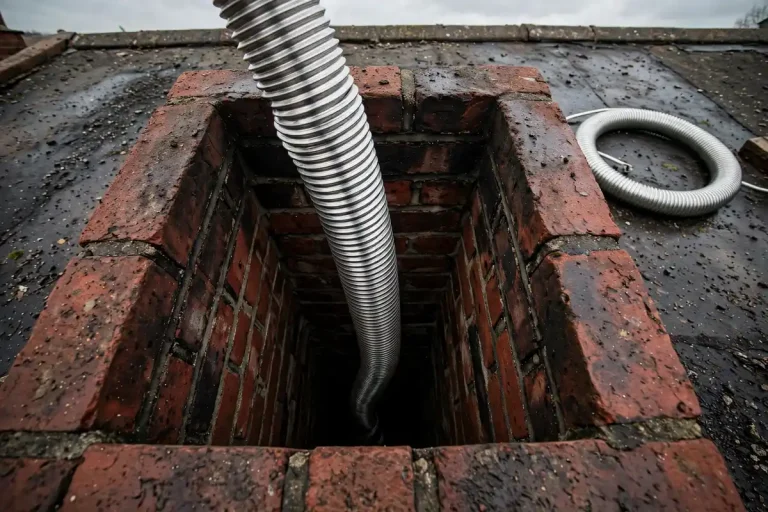
Flexible stainless steel is the workhorse of relining: a corrugated tube dropped down the existing flue from the top, bending around offsets a rigid liner cannot follow. Its smooth surface resists creosote buildup, and it does not rust the way galvanized steel does. Two grades are common: 316, which suits wood and gas, and 904, the tougher option for heavier use. Rigid stainless steel comes in straight sections with a smoother bore, which makes sweeping easier, and it is often the choice for a straight flue or a larger open fire.
Cast-in-place is a different method altogether: a cement-like refractory mix is pumped into the flue around a former, setting into a seamless new lining. It suits chimneys with irregular shapes or structural weaknesses, where a tube will not fit well. Aluminium liners exist too, but only for low-temperature gas appliances — they cannot take the heat of a wood fire.
The Right Size Matters
A liner must match the appliance it serves. Too big, and the gases cool as they rise, condense on the walls, and leave creosote and tar behind. Too small, and the chimney cannot draw properly — smoke backs up into the room and fires burn poorly. A 6-inch diameter flue is the most common size for a wood stove, but the right size depends on the appliance, the fuel, and the height of the chimney, so it is a measurement for an inspection.
This is also why fitting a new stove or insert usually starts with the liner. If the existing lining is cracked, the wrong size, or the wrong material for the new appliance, lining the chimney becomes part of the installation — a new appliance connected to a failing liner is not a safe combination.
Signs Yours Is Failing
A chimney liner rarely fails all at once. It usually gives warnings first — but most of them are easy to miss, because the liner itself is out of sight.
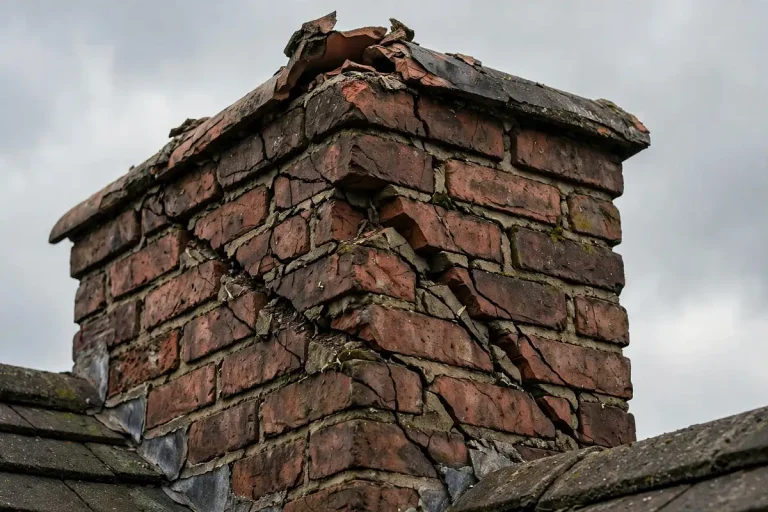
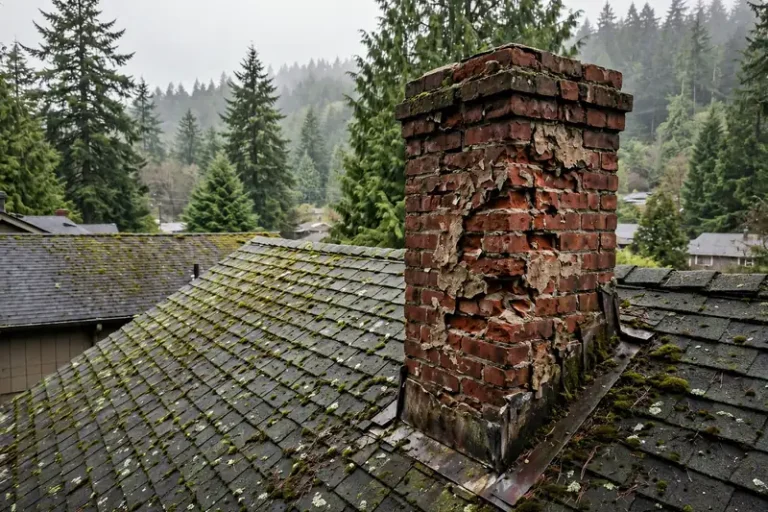
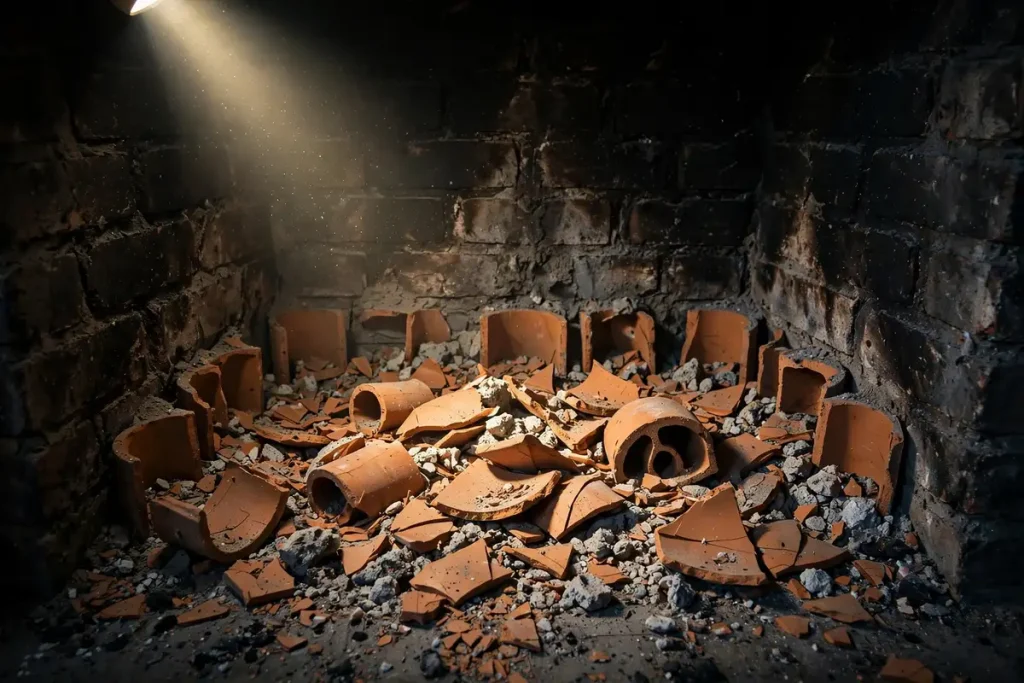
Pieces of clay tile or mortar fragments in the firebox are the clearest sign. If chunks of tile are falling to the bottom of the flue, the lining is actively breaking down. Smoke backing into the room, or a fireplace that has become hard to light and keeps burning smoky, points to a liner that is cracked, blocked, or the wrong size. A persistent smoky or chemical smell when the fire is out means combustion byproducts are seeping through cracks instead of going up the flue. Soot stains on the walls or ceiling near the chimney breast mean the same thing. Rust on the damper or the metal parts inside the firebox says moisture and corrosive gases are escaping where they should not. And white, powdery staining on the outside brick — efflorescence — often means water is moving through the masonry because the liner is no longer keeping it out.
None of these signs proves the liner is the problem on its own, and you cannot confirm it from the firebox. The reliable check is a camera inspection: a small camera passed up the flue shows cracks, gaps, separated tiles, and collapsed sections that no view from the top or the bottom would catch. If you are seeing stains and cannot tell where the water comes from, our guide on why chimneys leak walks through the five entry points in order.
Repair or Replace?
Whether a liner is repaired or replaced depends on how bad the damage is and where it sits. A short, isolated crack in an otherwise sound clay tile liner can sometimes be sealed with a heat-resistant coating, or a single damaged tile replaced. That is a repair, and it is only worth doing when the rest of the lining is solid.
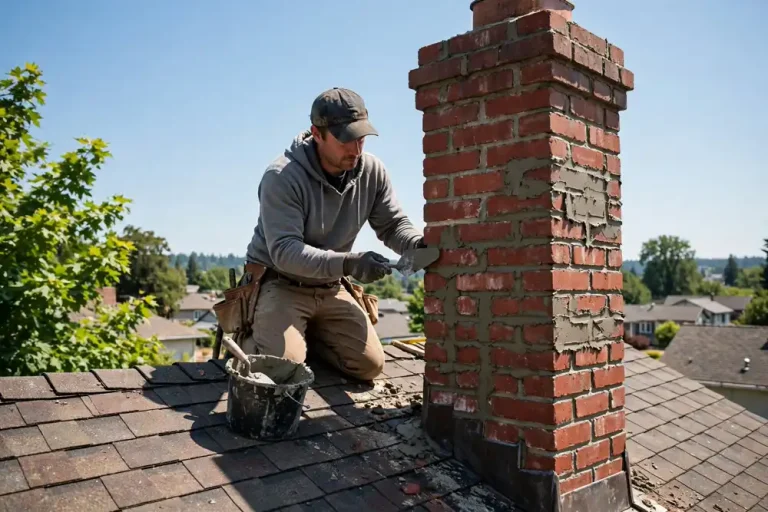
Multiple cracks, shifted tiles, large gaps, or severe spalling usually point the other way: relining. A flexible stainless steel tube dropped down the existing flue creates a new, seamless venting system inside the old one, and a cast-in-place lining does the same job where a tube will not fit. A liner that is the wrong size or the wrong material for the appliance is replaced for the same reason — patching cannot fix a mismatch. One warning: do not assume a surface sealant makes a damaged liner safe. The repair has to suit the appliance, the temperatures, the fuel, and the flue dimensions, and that is a judgment for an inspection.
One more thing to know about older homes: houses from the 1950s through the 1980s sometimes have asbestos insulating boards or wrapping around the flue. If asbestos is suspected, work stops and a specialist survey comes first. It is rare, but it is the reason a careful inspection matters before any relining work begins.
Why Portland’s Climate Is Hard on Liners
Portland’s brick chimneys are often decades old, and their liners are original — clay tile, fitted when the house was built, now working through its fourth or fifth decade. Two things here wear them out faster than a dry climate would.
The first is water from above. Rain gets into the flue, soaks the liner, and then freezes — and ice expands by about 9%, prying at every small crack it finds. The water often enters through a missing cap, which is why the cap and the liner are connected problems: a chimney cap that is missing lets months of rain run straight down the flue and soak the lining from the inside. Portland gets roughly 40 inches of rain a year, spread across about 150 rainy days, mostly between October and April.
The second is creosote. Wood smoke leaves acidic, tarry deposits on the liner, and in a flue that is not swept regularly those deposits build up, corrode the surface, and raise the fire risk. An annual chimney cleaning (typically $150–$350, 45–90 minutes) protects the investment: the sweep removes the deposits before they do damage, and spots the early signs of liner failure while they are still small jobs.
The Bottom Line
The liner is the part of the chimney you never see, and the part that does the most to keep your house safe. It holds the heat and the gases inside the flue, protects the brick from the inside out, and keeps the chimney drawing the way it should. When it cracks, the heat and the gases find their own way out — through the walls, into the rooms, and into the structure. The only way to know its condition is to look at it with a camera, and the only time to find out is before the damage spreads.
If you have clay pieces in the firebox, smoke coming back into the room, a smell from the fireplace when it is cold, or you simply do not know whether your chimney has a sound liner, call Portland Chimney Care at +1 (503) 433-7104. We serve Portland, OR, and we can tell you plainly whether it is the liner, the cap, or something else — and whether it needs a repair, a relining, or nothing at all.
Frequently Asked Questions
Sources
- The Sweeping Company
- Top Hat Chimney Repair
- EngineerFix
- Vacation1st
- Woodheat.org