Can Individual Chimney Bricks Be Replaced? A Homeowner’s Guide
Yes, a skilled mason can remove and replace individual chimney bricks without rebuilding the whole stack, provided the damage is limited and the masonry around it is still sound. It is one of the most common repairs in chimney work, and it can save you a lot of money when it is caught early.
So, can individual chimney bricks be replaced? In most cases the answer is a confident yes, but the details matter. The method, the materials, and the condition of the surrounding chimney decide whether a small fix lasts for years or fails after a few winters. This guide walks you through when replacement works, how professionals do it, and when you should think bigger.
When Replacing a Single Brick Makes Sense
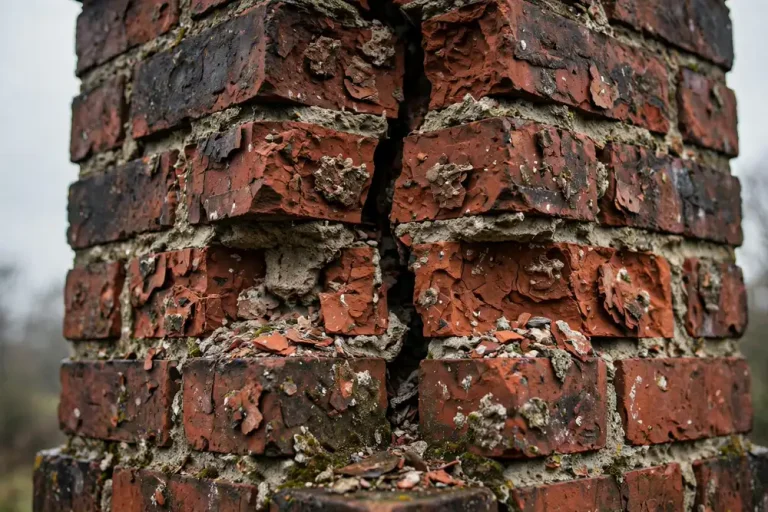
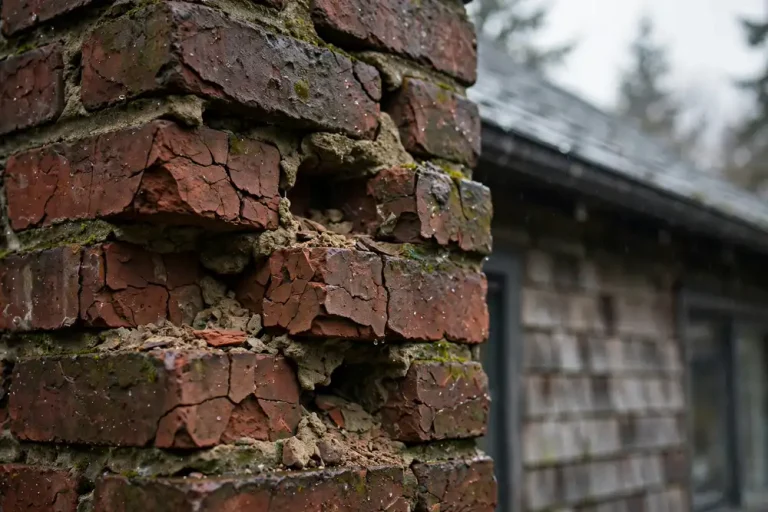
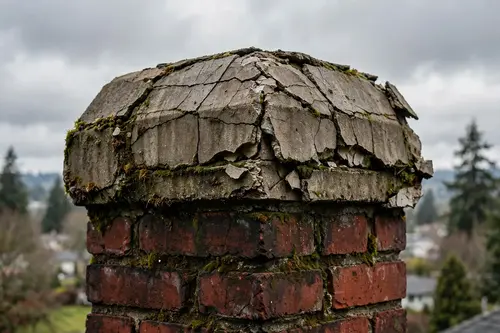
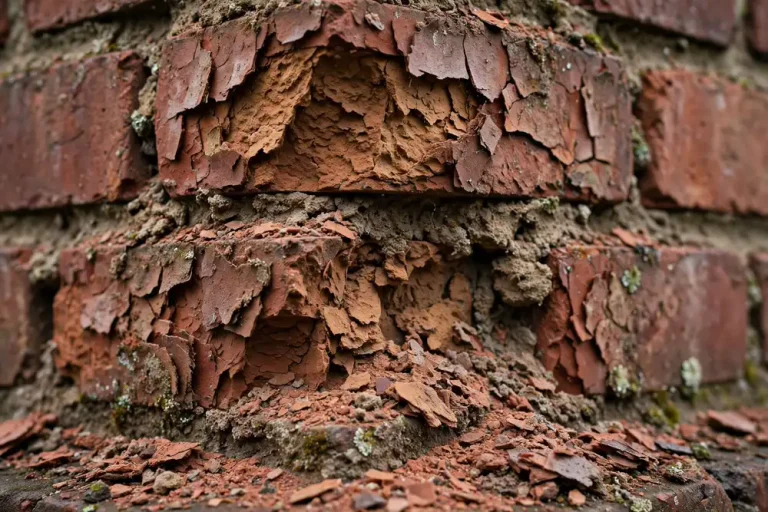
Single brick replacement works best when the problem is isolated. A few bricks may have cracked from impact, or a handful may have spalled, which means the face of the brick has flaked or popped off after repeated moisture exposure. If the bricks around the damaged area are firm, the mortar joints are mostly intact, and the chimney is standing straight, replacement is usually a smart, targeted fix.
Portland homes face a particular challenge here. Long, wet seasons keep masonry damp for months, and when temperatures dip, trapped water can freeze and expand inside the brick. Over many cycles, the surface can give way. That is one reason chimneys in rainy climates often show spalling, especially on the sides that stay wet the longest.
Signs a Brick Needs Attention
You do not need to climb onto the roof to spot trouble. Binoculars from the ground or a look from the attic can reveal a lot. Watch for these signs:
- Bricks with flaking, peeling, or missing faces
- Orange or red brick dust collecting on the roof, in the gutters, or at the base of the chimney
- Cracks that run through the brick itself, not just along the mortar line
- White powdery staining, called efflorescence, which signals moisture moving through the masonry
- Loose bricks that shift when touched
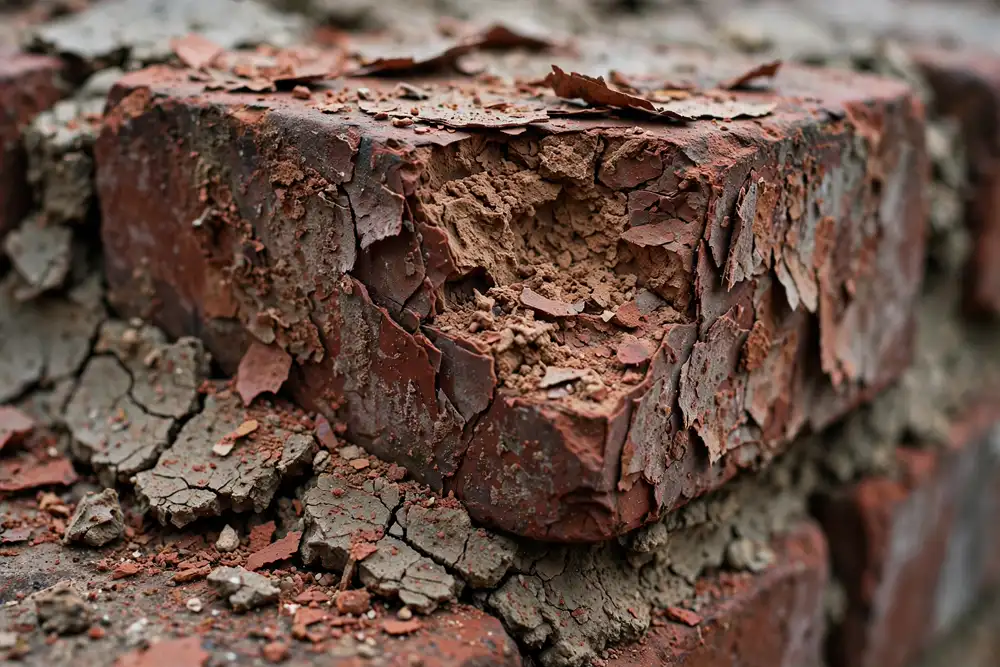
A cracked brick is more than a cosmetic flaw. It can compromise the durability of the masonry and raise the risk of moisture getting into the chimney. Whether a particular crack is structurally significant is something only an inspection can tell you, since it depends on how bad the damage is and how your chimney was built. Small openings can turn into leaks, rotted framing, and interior stains if they are ignored.
How Professionals Replace a Single Chimney Brick
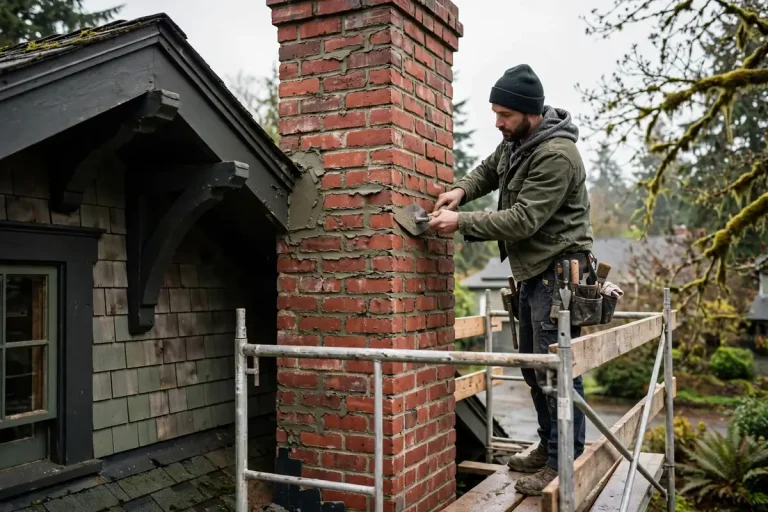
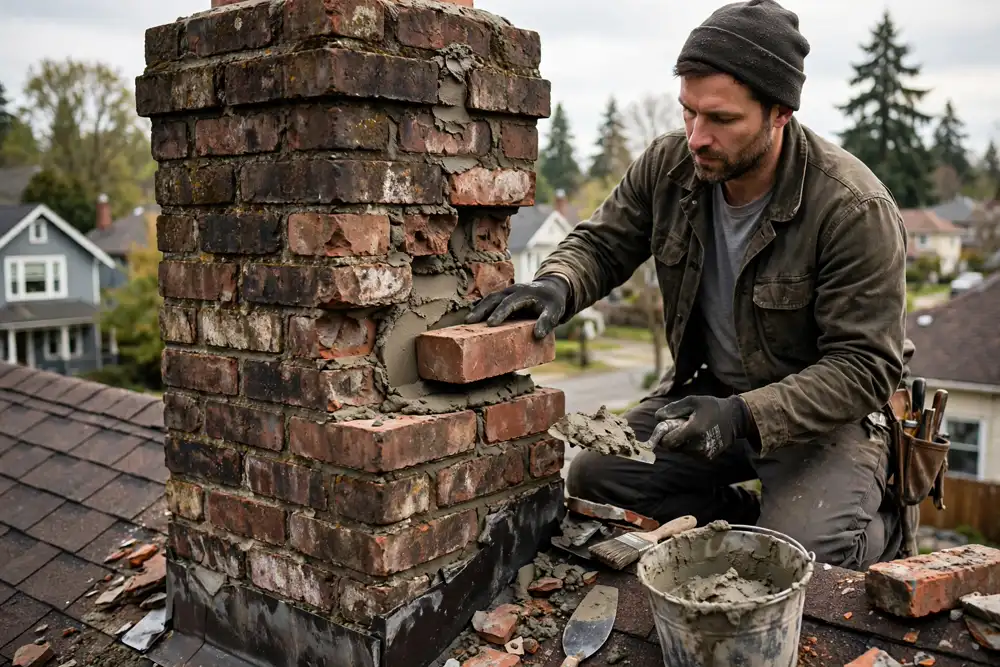
The process involves carefully removing the damaged brick and replacing it with a compatible unit. It takes patience, and a good mason works in a clear order:
- Inspect first. The mason checks the damaged brick and the area around it to confirm the problem is truly local.
- Remove the old mortar. Using a grinder or hand tools, the mason cuts the mortar away from all sides of the bad brick without harming its neighbors.
- Take the brick out. The damaged unit is chiseled or lifted free, and the opening is cleaned of dust and debris.
- Prepare the opening. A slightly damp surface helps keep the surrounding masonry from pulling water out of the fresh mortar too quickly.
- Set the new brick. A bed of mortar goes in, the replacement brick is slid into place, and the joints are filled and tooled to match.
- Cure and finish. The new work is protected while it cures, then checked for a clean, consistent appearance.
Rushing any of these steps can leave a weak bond or a visible patch, so this is rarely a job to treat casually.
Why Matching Matters More Than Most People Think
Color gets the attention, but compatibility goes deeper. A replacement brick should be similar to the original in porosity, strength, size, and texture. If the new brick or the mortar behaves very differently from the existing masonry, the wall can weather unevenly and stress can build up around the repair.
Mortar deserves the same care. A mortar mix that is much stronger than the surrounding brick can contribute to cracking and spalling along the brick edges, because the wall can no longer flex and shed moisture the way it was designed to. Preservation guidelines for historic buildings make this point again and again: replacements should be compatible in strength, texture, and appearance. An experienced mason will often source salvaged or specially matched brick for older homes and choose a mortar mix suited to the age and type of your masonry.
When Replacement Is Not Enough
Here is the honest answer to can individual chimney bricks be replaced? Yes, but only when the problem is truly small. Sometimes swapping a few bricks only hides a bigger issue. Consider a larger repair if you notice:
- Widespread spalling across a whole face of the chimney
- A chimney that leans, bulges, or has visible gaps at the roofline
- Mortar that crumbles to sand across many joints, which usually calls for repointing
- A damaged or missing crown which lets rain soak down into the stack
- Failed flashing where the chimney meets the roof
- Signs of a cracked flue liner, such as flaking tile pieces in the firebox or smoke problems, which is a safety concern and not just a masonry one
In these cases, rebuilding the upper section or repointing the whole stack may cost more today but can prevent repeat visits. A mason who is honest with you will tell you when a patch is the wrong answer. If anything points to the flue or the fireplace system, ask for a full chimney inspection as well.
If you are weighing the options, here is when a complete rebuild is the better option.
Should You Try It Yourself?
Repair advice for cracks depends on the material and the type of damage, and the cause of the crack matters before you pick any product. Cracks in the bricks of your chimney stack, or any crack that looks structural, should be looked at by a qualified professional before anyone tries to patch it.
Work above the roofline also brings real risks. You would be working at height, handling tools that create heavy dust, and trying to match brick and mortar by eye. A poor repair can trap water and make the damage worse. For anything on the stack itself, most homeowners are better served by hiring a professional with practical experience in chimney masonry repair.
What Affects the Cost
Pricing varies, but several factors drive it more than anything else:
- Number of bricks: A few replacements cost far less than a full section.
- Access: A low chimney on a single story home is easier than a tall stack on a steep roof.
- Brick availability: Matching historic or unusual brick takes time and sourcing.
- Extent of mortar work: Repointing around the repair adds labor.
- Related repairs: Crown or flashing work is often bundled in.
Because every chimney is different, get a written estimate after an inspection instead of relying on a rough number you found online.
How to Prevent Future Brick Damage
Replacement fixes the symptom. Prevention tackles the cause. These habits go a long way:
- Schedule a yearly chimney inspection, ideally before heating season.
- Keep the crown and flashing in good shape so water stays out.
- Install a chimney cap to block rain, debris, and animals.
- Have a mason find and fix the source of the moisture, such as a damaged crown or flashing, and avoid sealants that trap moisture inside.
- Trim overhanging branches and clear moss, which holds water against the brick.
- Have a mason address small mortar gaps before they widen.
Frequently Asked Questions
Final Thoughts
Can individual chimney bricks be replaced? Yes, and when the damage is caught early, it is an affordable, effective repair that protects your home from water damage and costly rebuilds. The key is a proper inspection, correctly matched materials, and a mason who understands how your chimney was built. If you have noticed flaking bricks, crumbling mortar, or red dust near the base of your chimney, do not wait for the next storm to make the decision for you. Learn more about our chimney repair services or request a chimney inspection to get a clear plan.
A replacement only lasts if you also fix the cause of the spalling, usually moisture from the crown, cap, or flashing.