What Happens If You Ignore Chimney Damage? 8 Warning Signs Every Homeowner Should Know
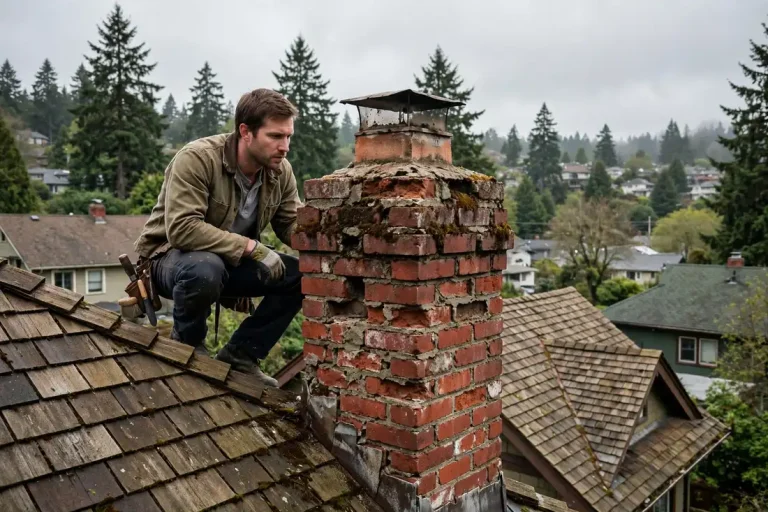
Ignoring chimney damage allows small problems to grow into water leaks, crumbling masonry, fire hazards and carbon monoxide risks, and in severe cases the repair cost can come close to the cost of a rebuild. A hairline crack in the crown or a loose brick may look harmless from the driveway, but your chimney is exposed to heat, moisture and combustion gases throughout the year. This guide explains what happens if you ignore chimney damage, which warning signs matter most and when to call a qualified chimney professional.
How Chimney Damage Typically Progresses
Chimney damage rarely arrives as a sudden disaster. It tends to build in stages, and each stage can make the next one worse. How fast this happens depends on your climate, the materials used, the chimney’s existing condition and how well it has been maintained, so treat the stages below as a general pattern and not a fixed schedule.
Early stage: Water finds a small opening, such as a cracked crown, a failing mortar joint or worn flashing. You might notice a white, chalky stain on the brick. That stain is called efflorescence, and it suggests moisture is moving through the masonry.
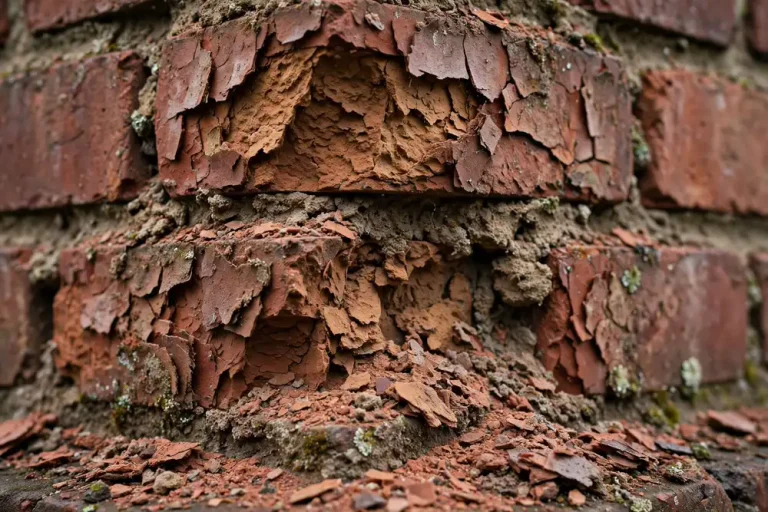
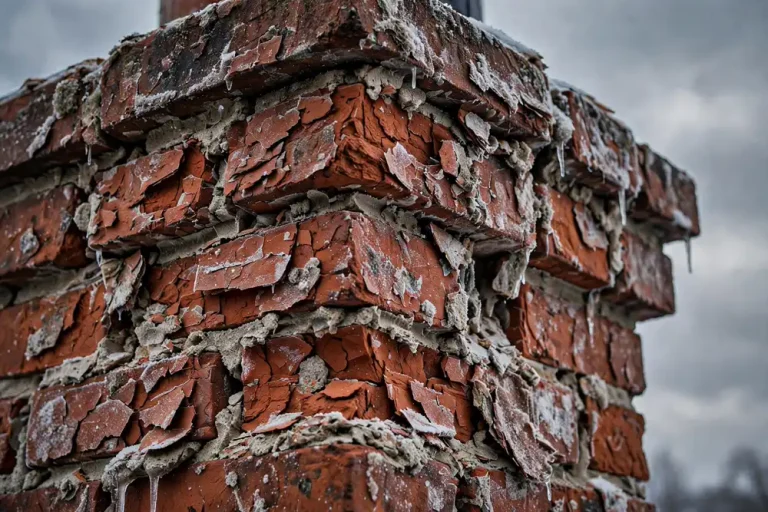
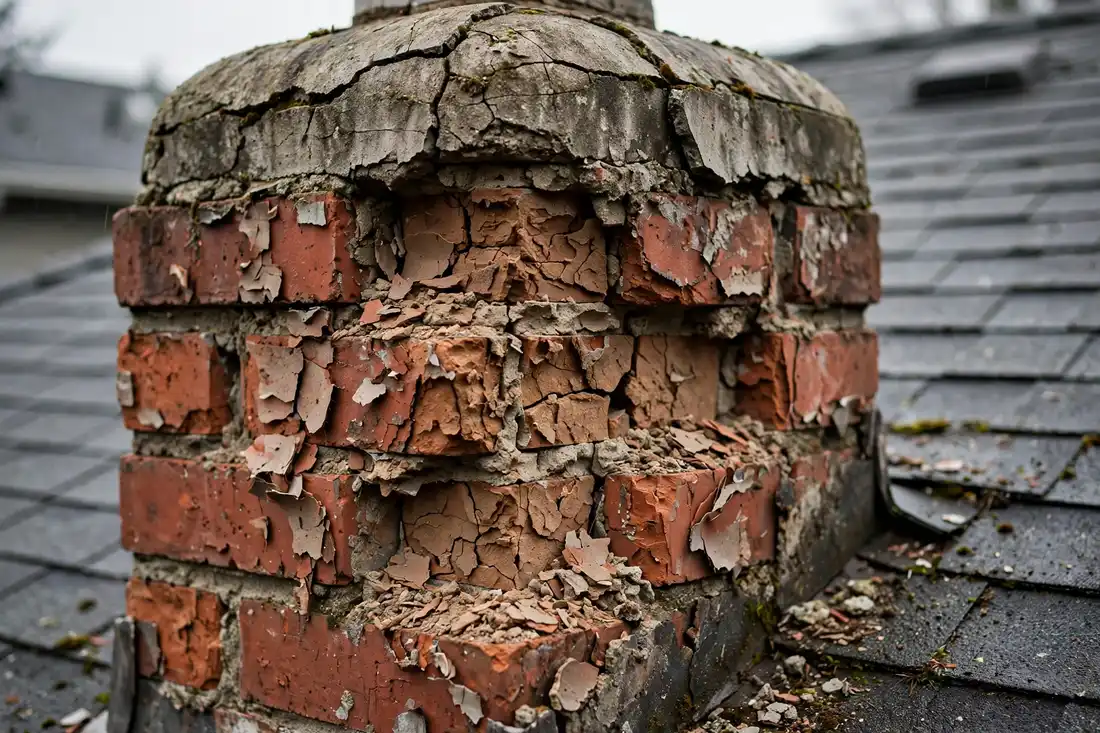
Middle stage: Water absorbed by brick and mortar freezes and thaws during cold weather. The surface of the brick can begin to flake or pop off, which is known as spalling. Mortar softens and crumbles, and the flue liner may start to crack.
Flaking faces are a typical sign of brick spalling, and the damage tends to spread once moisture gets in.
Advanced stage: A damaged liner can no longer contain heat and combustion gases as designed. Moisture may reach the framing, attic and ceilings around the chimney. At this point, you may be dealing with relining, tuckpointing or a partial rebuild instead of a simple repair.
The pattern is easy to remember. Small, inexpensive fixes become larger and costlier when they are delayed.
Water Damage Is One of the Main Causes of Masonry Deterioration
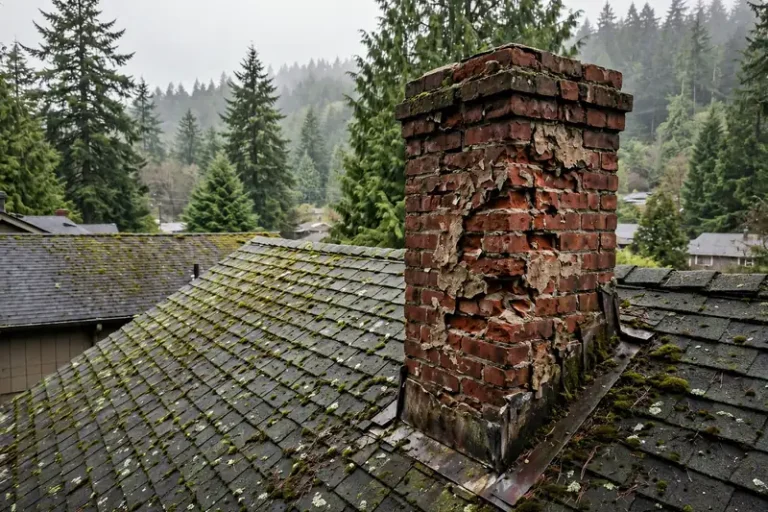
Moisture is one of the main causes of masonry deterioration. Brick and mortar are porous, so they soak up water like a sponge. Without a sound chimney cap, crown and flashing, rain can run into areas that were never meant to get wet.
Over time, water can lead to:
- Rusted dampers and firebox parts
- Deteriorating mortar joints that weaken the stack
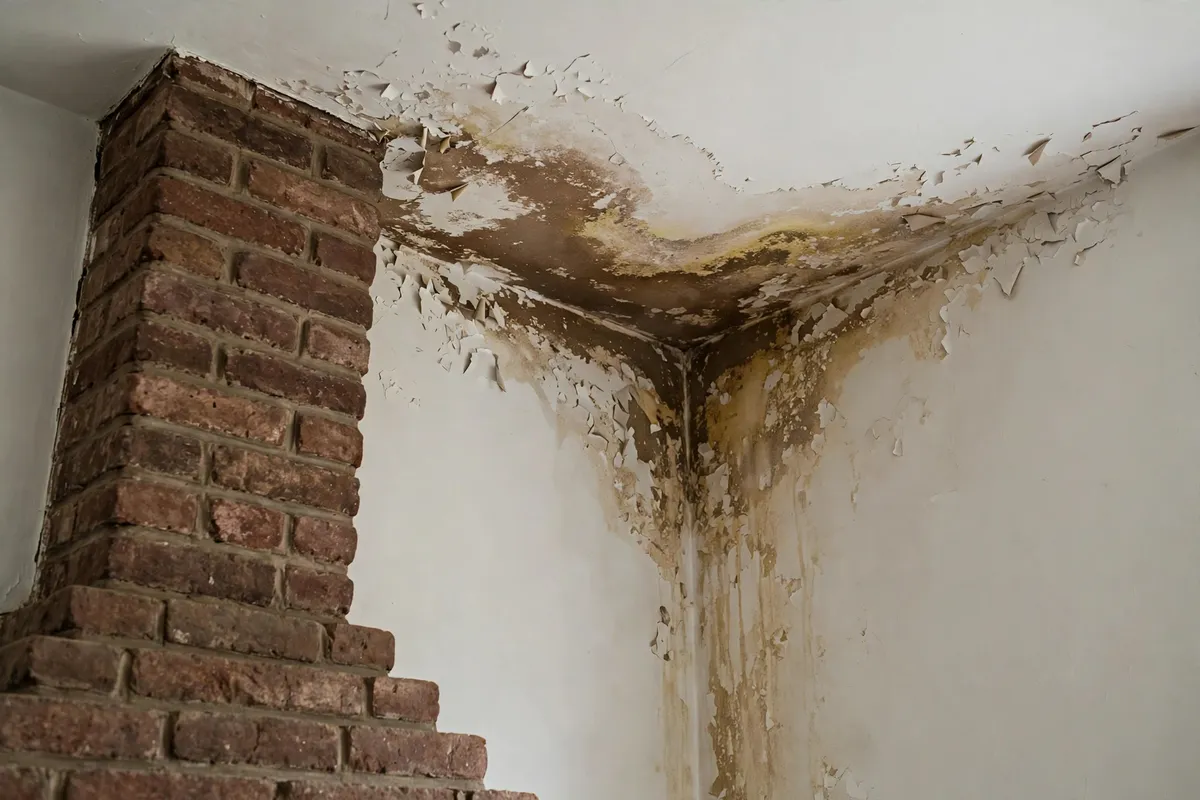
- Stains on walls and ceilings near the fireplace
- Musty smells and mold growth in attic spaces
- A leaning or crumbling chimney in severe cases
Homeowners often blame the roof for these stains and pay for roof work that never fixes the problem. A chimney inspection can often locate the real source quickly.
Chimney Fires and Creosote Are Serious Fire Hazards
Every wood fire leaves residue behind. That residue is creosote, a sticky, tarry substance that clings to flue walls. It can start as light soot and harden into a shiny, glazed layer that ignites easily.
Creosote buildup depends on several factors, including how dry your firewood is, how much airflow your fire gets, how completely the fuel burns and how hot the flue stays. This makes it a separate fire hazard from liner damage, and both deserve attention.
Liner damage creates its own risk. Cracks and gaps in a liner can give heat and combustion gases a path to nearby combustible materials such as wood framing. Chimney fires can cause severe structural damage, and many go undetected until an inspection reveals the warning signs. Some burn loudly and dramatically. Others burn quietly, which is why regular sweeping and inspection matter even when everything seems normal.
Carbon Monoxide and Smoke Can Enter Your Home
A chimney exists to carry combustion gases out of your house. When the liner is cracked, the cap is missing or the flue is partly blocked, those gases can find their way back inside.
Carbon monoxide has no color or smell, which is why it is so dangerous. Early symptoms such as headaches, dizziness and nausea are easy to mistake for the flu. Working carbon monoxide detectors are essential, but they are a backup and never a replacement for a sound flue.
If a carbon monoxide alarm sounds or you suspect poisoning, everyone should get outside into fresh air immediately and call local emergency services. Stop using the fireplace or appliance until a qualified professional has checked the system.
Other signs that exhaust is not leaving properly include:
- Smoke drifting into the room when you light a fire
- A fire that is hard to start or struggles to stay lit
- Strong, sharp odors from the fireplace, especially in humid weather
- Soot stains around the fireplace opening
Structural Problems Can Spread to the Rest of Your Home
A weak chimney is more than a cosmetic issue. Loose bricks can fall onto the roof, deck or walkway. A leaning stack can pull away from the house. Rotted framing around the chimney can allow water damage to spread into walls and ceilings.
Animals add another layer of risk. Without a proper cap, birds, squirrels and raccoons may move in. Nests can block the flue completely, which traps smoke and gases and raises the danger the next time you light a fire.
Insurance and Resale Value Can Be Affected
When a loss involving the chimney is reported, insurers may review the cause of the damage and any relevant maintenance records while assessing the claim. Coverage depends on your policy and the circumstances, so it is worth reading your policy or asking your agent what is expected.
Resale is another consideration. During a home sale, inspectors check the chimney, and a poor report can complicate negotiations. Buyers may request repairs, credits or a Level 2 inspection. Keeping inspection and repair records on hand shows that the home has been looked after.
Warning Signs You Should Never Ignore
Walk around your home once each season and look for these signs. If you spot any of them, schedule an inspection.
- White, chalky stains on the brick. This is efflorescence, a sign of moisture in the masonry.
- A cracked or crumbling crown. The crown is the concrete or mortar cap at the top that sheds rain away from the stack.
- Missing or loose bricks and mortar. Check for debris on the roof or ground near the base.
- Rust inside the firebox. Flakes or orange staining suggest water is coming in from above.
- Pieces of flue tile in the fireplace. This can point to a cracked, spalling or deteriorating liner.
- Water stains on nearby ceilings or walls. Leaks often show up far from the actual source.
- Black, glossy buildup inside the flue. This can be hardened creosote, which is a fire hazard.
- Smoke or odors entering the room. Treat this as urgent and stop using the fireplace until it is checked.
And if that damage is already there, the fireplace should stay cold until it is checked — find out whether you can use a damaged chimney safely.
What a Professional Inspection Covers
The National Fire Protection Association (NFPA 211) recommends that chimneys be inspected at least once a year. Inspections are generally described in three levels.
A Level 1 inspection covers the readily accessible parts of the chimney and is suitable when nothing about your system has changed. A Level 2 inspection includes everything in Level 1, plus an examination of accessible areas such as the attic, crawl space or basement, and a scan of the flue interior. It is generally advised after a chimney fire, before a property sale or when the connected appliance or fuel type changes. A Level 3 inspection may involve opening walls or removing parts of the structure when serious hidden damage is suspected.
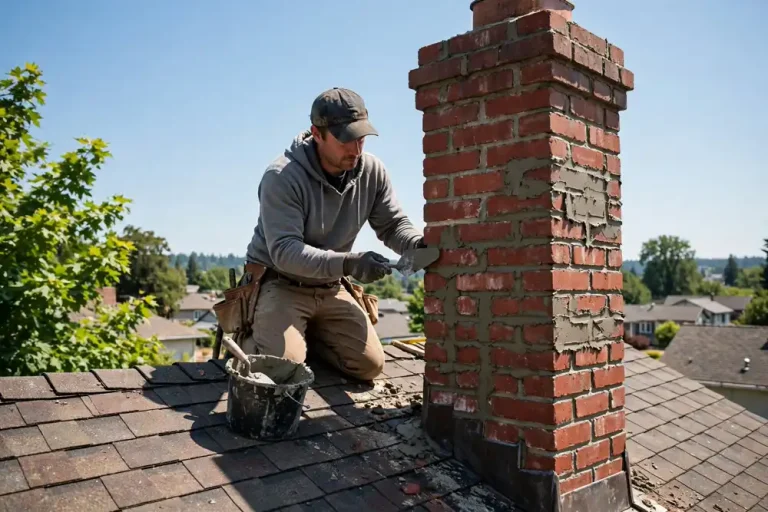
A flue scan is one part of a Level 2 inspection and does not replace the full evaluation. Whoever performs the work should be able to explain which inspection level they are providing, what standard they follow and what qualifications they hold. After the inspection, they should explain the findings in plain language and rank repairs by urgency. Common fixes include chimney sweeping, crown repair, tuckpointing, flashing replacement, new caps and stainless steel relining.
Repair Now or Pay More Later
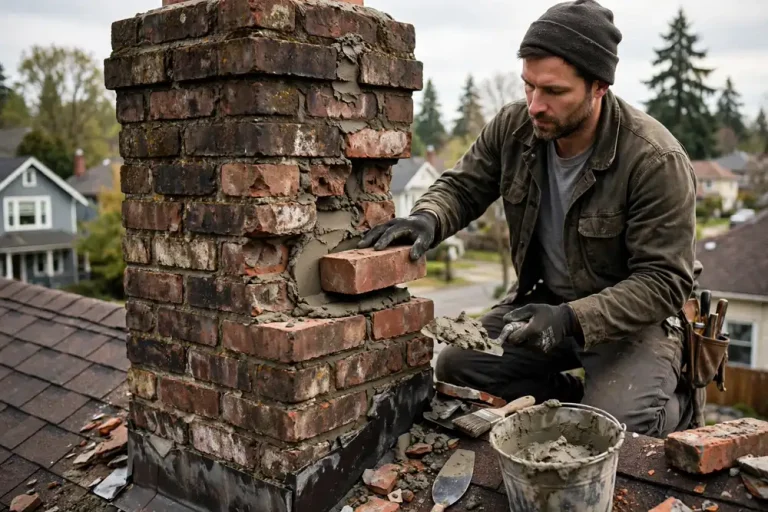
Early repairs are usually modest jobs. Replacing a cap or sealing a crown generally costs far less than rebuilding a deteriorated stack. When homeowners ask what happens if you ignore chimney damage, the honest answer is that the problem does not go away. It tends to grow, and in severe cases repair costs can come close to the cost of a rebuild.
Timing helps too. Late summer and early fall are good times for inspections, because repairs can be finished before the heating season begins.
Frequently Asked Questions
Final Thoughts
So, what happens if you ignore chimney damage? Water gets in, masonry weakens, heat and gases find new paths, and your home takes on risks that grow with each season. The good news is that many problems are far less expensive to fix when caught early. Schedule an annual inspection with a qualified chimney professional, deal with small issues quickly and keep your fireplace safe and ready for the next cold night.
Timing is part of the cost of waiting — our seasonal repair timing guide explains why delaying through a wet winter makes things worse.