Can You Use a Damaged Chimney Safely? What Portland Homeowners Need to Know
No, you cannot use a damaged chimney safely, not even for one more cozy evening. A cracked flue liner, crumbling mortar, or a leaning stack can let heat, flames, and carbon monoxide escape into your walls and living space. If you notice damage, stop using your fireplace, wood stove, or any appliance vented into that chimney until a certified professional inspects it.
Many homeowners wonder, can you use a damaged chimney safely if the problem looks minor? The answer stays the same. Small flaws often hide bigger ones, and what you see from the ground is rarely the full story. Here is why the risk is real, how to spot trouble, and what to do next.
Why a Damaged Chimney Is So Dangerous
A chimney has one job: carry hot, toxic combustion gases out of your home while keeping heat away from the wooden framing around it. Every part of the system supports that job, including the flue liner, firebox, damper, smoke chamber, chimney crown, cap, and flashing.
When one part fails, the whole system suffers. Three hazards follow.
House fires. Flue liners are designed to contain extreme heat. A cracked or missing liner lets heat reach nearby wood framing, and it can ignite that wood slowly over time. Creosote, the sticky residue left by burning wood, makes things worse. It is highly flammable, and a chimney fire can crack a damaged flue even further.
Carbon monoxide poisoning. Carbon monoxide is colorless and odorless. Gaps in the liner or masonry can leak it into your home, and a partial blockage can push it back down the flue. Symptoms like headaches, dizziness, and nausea are easy to mistake for the flu.
Structural collapse. Water gets into cracked bricks and weakens the masonry from the inside. During freezing weather, trapped moisture can expand and worsen existing cracks or masonry damage. Loose bricks can then fall onto your roof, your yard, or a person.
Common Types of Chimney Damage
Knowing the terms helps you describe the problem accurately when you call a professional.
- Cracked or shaling flue tiles: Thin pieces of clay tile flake off and collect in the firebox. This leaves gaps that expose combustible materials to heat.
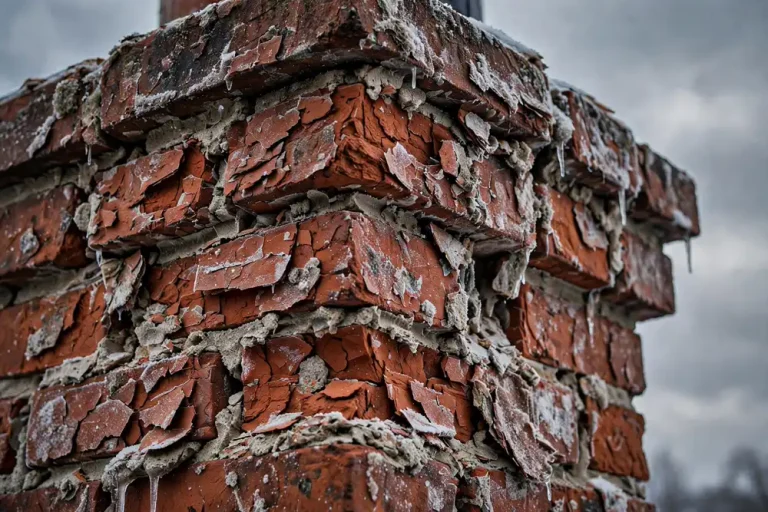
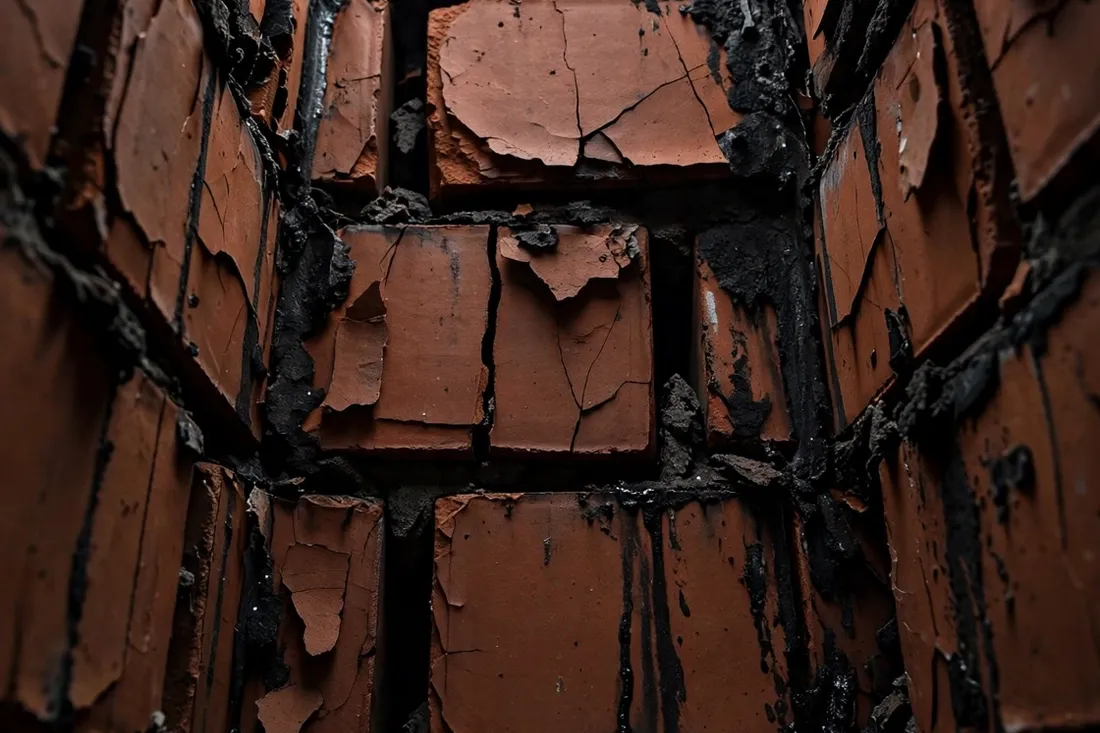
- Spalling brick: The brick face peels or pops off, usually because moisture is trapped inside.
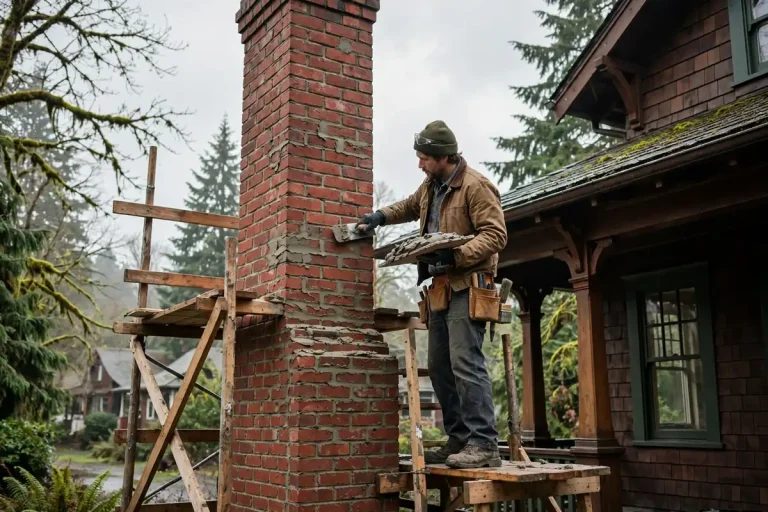
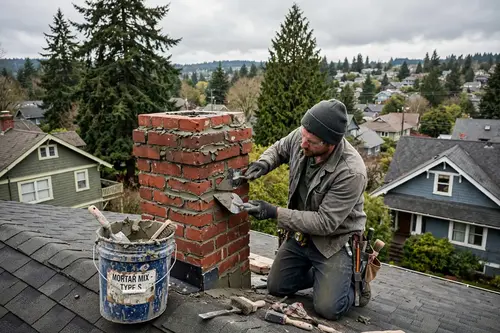
- Deteriorated mortar joints: Crumbling mortar weakens the stack and lets water in. Repairing it is called tuckpointing.
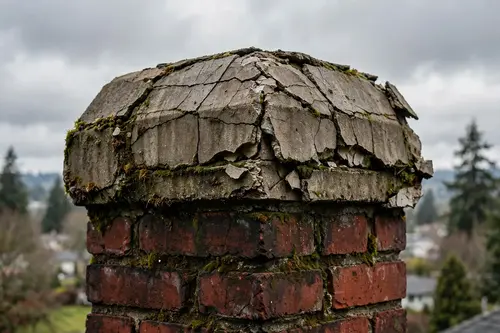
- Cracked chimney crown: The concrete slab on top is meant to shed water. When it cracks, rain runs straight into the masonry.
- Failed flashing: The metal seal where the chimney meets the roof can loosen and leak into your attic.
- Rusted damper or firebox: Rust is a sign of ongoing moisture and can weaken metal parts.
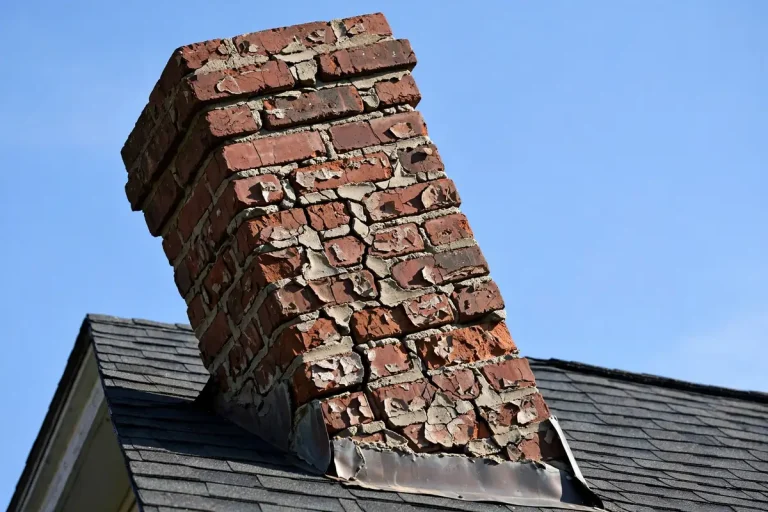
- Leaning or separating stack: If the chimney pulls away from the house, treat it as urgent.
Can You Use a Damaged Chimney Safely While Waiting for Repairs?
No. Waiting for a repair appointment does not make it safe to burn a small fire. Even a gentle fire produces gases and heat that a compromised chimney cannot contain.
This also applies to gas appliances. If your furnace, boiler, or water heater vents through the damaged chimney, stop using the affected appliance until a qualified professional confirms that its venting system is safe. If you suspect carbon monoxide, leave the home immediately and call emergency services from outside. Do not re-enter until authorities say it is safe. Make sure working carbon monoxide detectors are installed on every level of your home.
For temporary warmth, use a safe electric heater placed away from curtains and furniture, and never plug it into an overloaded power strip. Never use a gas oven or outdoor grill for indoor heating, since both can produce deadly carbon monoxide.
Warning Signs Your Chimney Is Damaged
You do not need to climb on the roof to notice trouble. Look and listen for these clues:
- Smoke entering the room instead of rising
- A strong smoky or musty odor, especially in damp weather
- White staining (efflorescence) on the brick, or crumbling mortar
- Pieces of tile or brick in the firebox, yard, or on the roof
- Black, oily creosote deposits or flaky, shiny glaze inside the flue
- Rust on the damper or fireplace doors
- Water stains on the ceiling or wall near the chimney
- A visible lean or gap between the chimney and the house
- Birds, animals, or nests inside the flue
Portland’s wet weather can expose chimneys to repeated moisture, which may contribute to deteriorating mortar, spalling bricks, crown cracks, and roof leaks. Regular inspections help identify water damage before it leads to more extensive repairs.
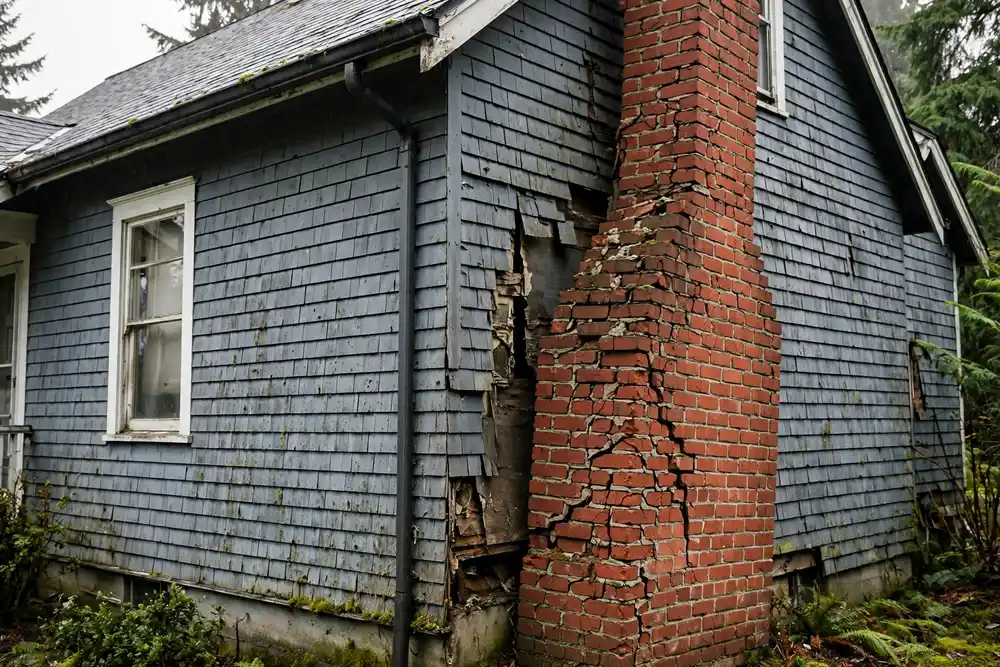
What to Do If You Suspect Chimney Damage
- Stop using the fireplace or stove immediately. That includes any appliance vented into the flue.
- Let any fire burn out and cool completely, and keep the area clear.
- Ventilate your home if you smell smoke, and leave the house if anyone feels ill.
- Test your carbon monoxide detectors and replace the batteries if needed.
- Take photos of visible damage for your records and for your insurance claim.
- Call a qualified chimney sweep. Ask whether the technician holds a current, relevant certification, carries appropriate insurance, and provides a written report with photographs and repair recommendations.
- Do not attempt rooftop repairs yourself. Working at height with masonry is dangerous.
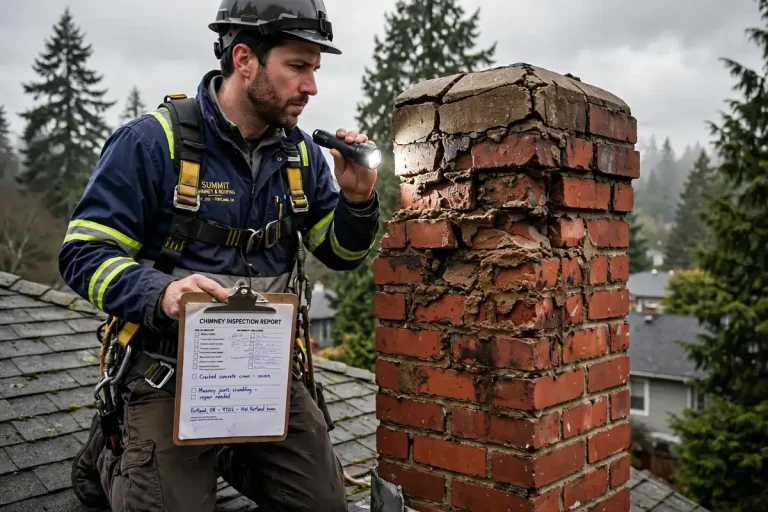
How Professionals Inspect a Chimney
The National Fire Protection Association (NFPA) sets inspection guidelines in its NFPA 211 standard, which describes three inspection levels:
- Level 1: A visual check of the readily accessible parts of the chimney and flue. It suits a chimney that is used the same way every year.
- Level 2: Includes everything in Level 1 plus a video scan of the flue interior. It is recommended after a chimney fire, a storm, or when you change fuel types or buy a home.
- Level 3: A deeper inspection that may involve removing parts of the chimney to reach hidden damage.
A video camera inspection is often the best way to find liner cracks, because those flaws are invisible from the firebox. A professional chimney inspection in Portland should end with clear findings you can read and keep.
Repair Options for a Damaged Chimney
The right fix depends on the problem. Common solutions include:
- Chimney liner repair or replacement with stainless steel to restore a safe, sealed flue
- Tuckpointing to repair failing mortar joints
- Chimney crown and flashing repair to stop water entry and protect the roof and attic
- Chimney cap installation to keep out rain, animals, and debris
- Partial or full rebuild when the structure is unstable
Fixing damage early usually costs far less than repairing a chimney after a fire or water damage inside the house. Check your homeowners insurance policy too, since some sudden damage may be covered.
How to Prevent Future Chimney Damage
- Schedule an inspection every year, even if you rarely use the fireplace
- Burn properly seasoned firewood and aim for a moisture content of 20% or less, measured with a wood moisture meter
- Avoid burning trash, painted wood, or cardboard
- Keep a properly fitted chimney cap in place
- Schedule chimney cleaning and creosote removal when a professional recommends it
- Check for water stains after heavy storms
Frequently Asked Questions
Final Thoughts
So, can you use a damaged chimney safely? The honest answer is no. The risks of fire, carbon monoxide, and collapse are too serious to gamble on, and delaying repairs usually makes the cost and danger grow.
If you suspect a problem, stop using the chimney and book a professional evaluation. The team at Portland Chimney Care can inspect your chimney, explain what is wrong in plain language, and recommend the safest repair. Schedule your inspection today and keep your home warm and protected.