Carbon Monoxide Risks from Damaged Chimneys
Short answer — A damaged chimney can send carbon monoxide into your living room instead of up the flue and out of the house. The gas is invisible and odourless, so the first warning is often a headache that clears up when you leave the house — not a smell, and not a sound.
The carbon monoxide risks from damaged chimneys are easy to overlook, because nothing about a normal-looking fire tells you the gas is escaping through a crack instead of rising through the flue.
How a Damaged Chimney Lets Carbon Monoxide In
A chimney has one job with combustion gases: carry them up and out. When the liner is cracked, the flue is blocked, or the draft is weak, those gases find a second path — through gaps in the liner, into the walls, and out into the rooms around the chimney.
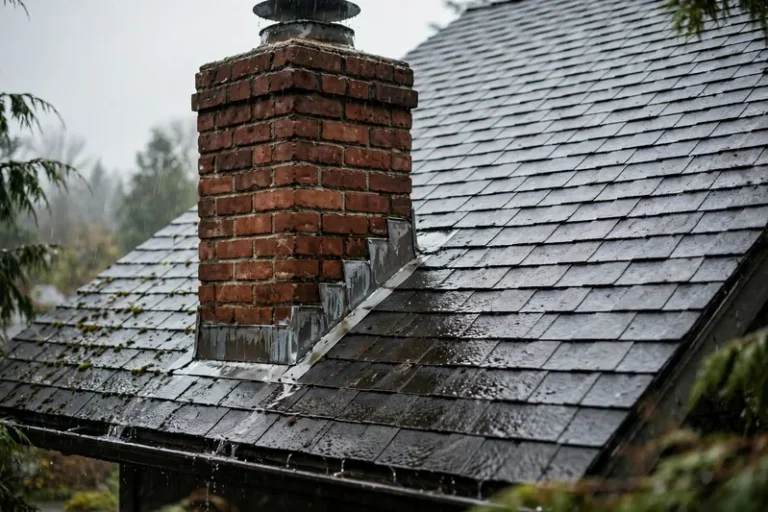
The most common route is a cracked flue liner. Clay tiles crack with age and freeze-thaw, and once a tile is broken the gas passes straight through the gap. A liner that has shifted or lost a tile leaves an open space where heat and gas reach the brick directly.
Blockages are the second route. A bird’s nest, a fallen branch, or a heavy build-up of creosote narrows the flue, and the gases that cannot get out fast enough spill back into the house. Gas appliances add their own risk: a gas fireplace or furnace produces carbon monoxide too, and a flue sized for wood can cool that exhaust until it condenses and drafts badly.
The Symptoms Worth Knowing
Carbon monoxide poisoning looks like the flu at first, which is why it gets missed. The CDC lists headache, dizziness, weakness, vomiting, chest pain, and confusion as the early signs — and the pattern that gives it away is timing: symptoms that ease when you leave the house and return when you come back.
The gas binds to hemoglobin around 200 times more readily than oxygen does, so it starves the body of oxygen even while you are breathing normally. That is why the carbon monoxide risks from damaged chimneys climb in winter, when windows stay shut, heating runs all day, and fires burn for hours at a time.
Pets and children often show symptoms first, because smaller bodies are affected sooner. If several people in the house feel ill at the same time, or a pet seems lethargic near the fireplace, take it seriously and get fresh air first — do not stay inside trying to work out the cause.
What a Camera Inspection Finds
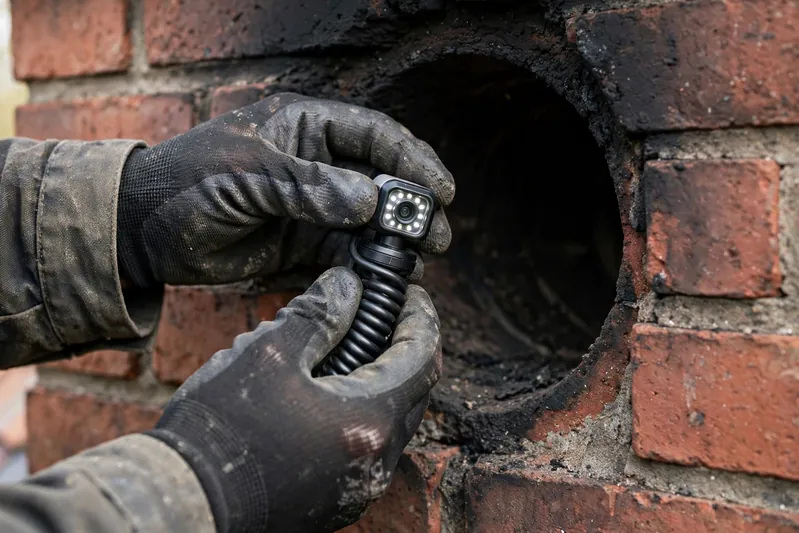
A camera inspection is the only way to see the inside of a flue without taking the chimney apart. The camera travels the full length of the liner and records what it passes: cracked or missing tiles, open joints, gaps where sections have separated, and blockages that narrow the flue.
Each finding points to a different fix. A single cracked tile can sometimes be repaired; tiles that are missing or crumbling usually mean the liner is past repair and needs replacing — our guide to chimney liner repair vs replacement walks through that decision in detail. A blocked flue needs cleaning before anything else, because no repair holds if the gases still cannot get out.
The inspection also checks the draft — whether the chimney pulls air up the flue the way it should. A chimney that draws weakly can spill gases into the room even with a sound liner, and that is a different problem with a different fix.
Carbon Monoxide Detectors: Where They Belong and What the Alarm Means
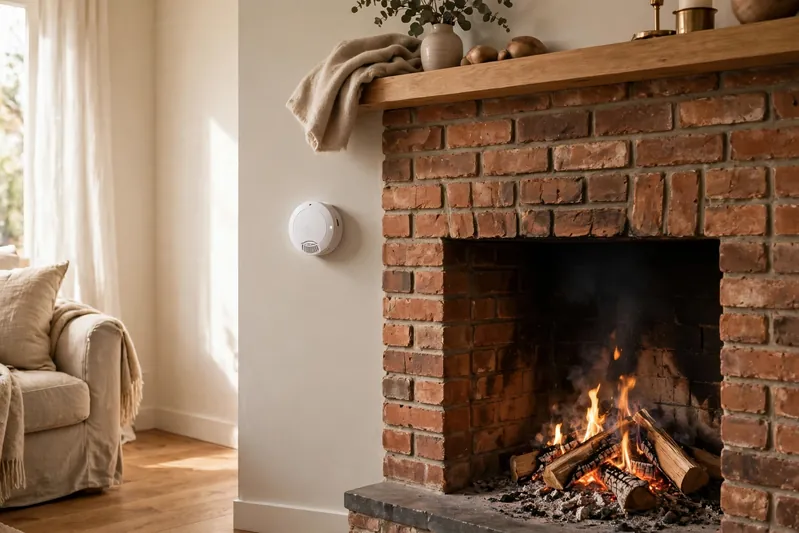
A detector belongs on every level of the house and near sleeping areas, where it can wake you. It is the backstop, not the fix: it tells you the gas is already in the house, and it cannot tell you where it came from.
If the alarm sounds, leave the house and call emergency services from outside. Do not open windows and wait, do not search for the source, and do not go back in to check on the fireplace. Fire crews carry meters that read the gas level; a home detector only tells you it is there.
Test detectors monthly and replace them on the schedule printed on the unit — most last seven to ten years. A detector with a dead battery or an expired sensor is worse than no detector at all, because it gives a false sense of safety.
What to Do If You Suspect a Problem
Stop using the fireplace until it has been inspected. That is the single most important step, and it is the one people resist: a fire that looks normal feels safe, but a cracked liner lets the gas out whether the fire looks right or not.
The carbon monoxide risks from damaged chimneys are the reason an inspection comes before the next fire, not after it. A camera inspection finds the crack, the blockage, or the draft problem — and until it does, the fireplace stays cold.
If anyone in the house has symptoms, get to fresh air and seek medical help the same day. Tell the doctor the house has a fireplace and a chimney, so carbon monoxide is on the list of things they check.